Para obtener más información sobre los Objetivos de Desarrollo Sostenible verificados por la norma para este proyecto, consulte el enlace de registro del proyecto más arriba.
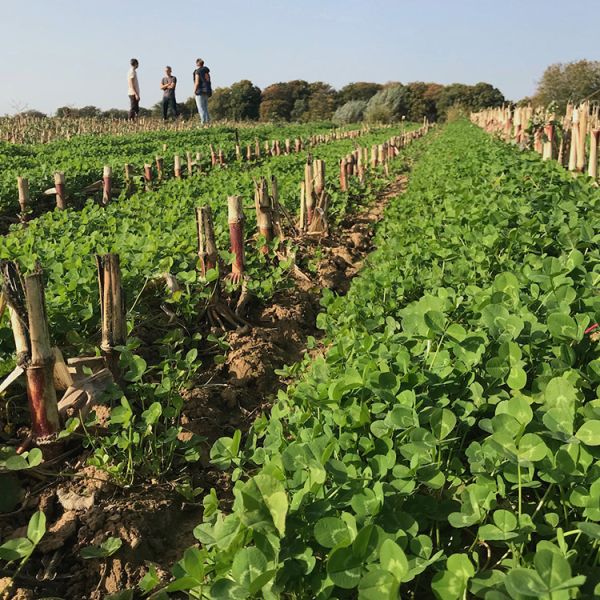
The core aim of the project is to transition conventional Belgian and French farms to regenerative agriculture. Expert agronomists are working with up to 1,600 farmers to implement the following regenerative techniques: reduce tillage practices; use cover crops between cash crops; rotate crops with nitrogen-fixing legumes; avoid monocultures; swap to organic fertilisers, like manure; and in some cases create agroforestry systems where trees are planted on arable fields. The typical minimum size of farms is around 30 hectares and each farmer is eligible to participate in a sequence of 5-year projects for up to 20 years as this is how long the IPCC advises mineral soils can continue to sequester carbon.
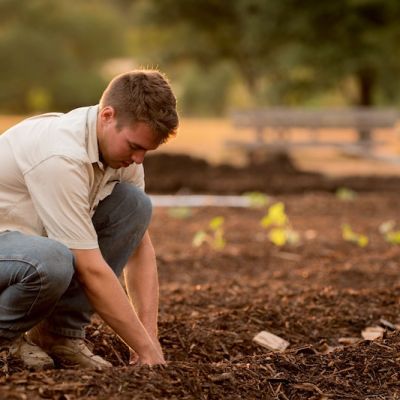
I am impressed with the amount of new information that mySoilCapital tool provides me. With the data I can now understand the carbon footprint of my farm – this is crucial for the agriculture of tomorrow.
Etienne Allard Farmer, Farmer

Beyond the benefits they bring to wildlife, hedgerows play an important role on farmland. They help to boost biodiversity and provide protection from the elements, ensuring soils remain healthy. The team is spending this cold December day to support farmers to plant multispecies hedges around their fields. We're looking forward to seeing the results!

Text: While there's no single definition of regenerative agriculture, it refers to creating a farming system that works with nature instead of against it. Companion cropping–planting different friendly species together– creates a symbiotic system and boosts soil health! Here you can see the organic einkorn wheat happily thriving with some peas.

Text: First leaves on the newly planted walnut trees! With a mild spring, it is already time to weed the rows of trees in one of the organic regenerative farming fields. In a few weeks, the Einkorn wheat will be ready to harvest...we're already dreaming about the delicious bread that could be made from the fresh flour!
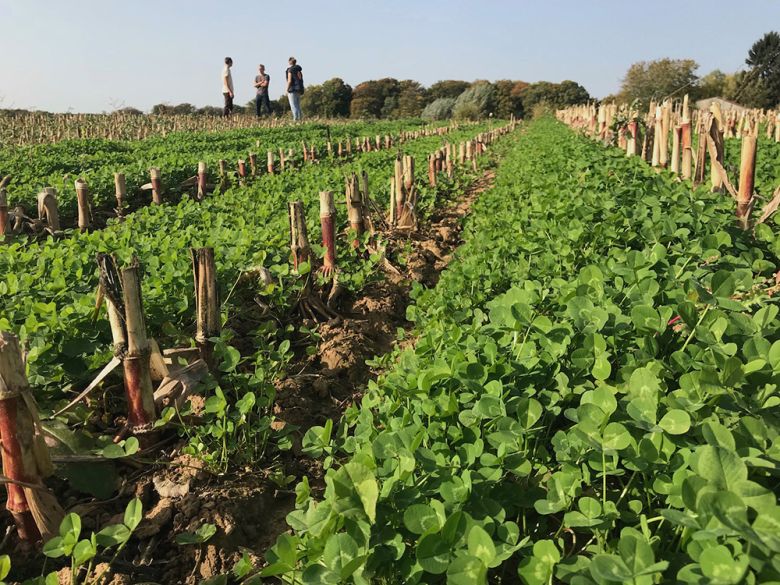
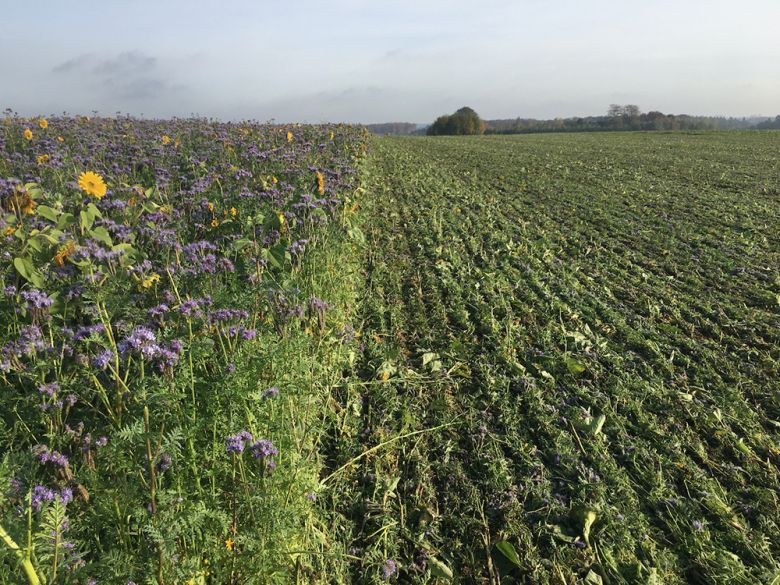
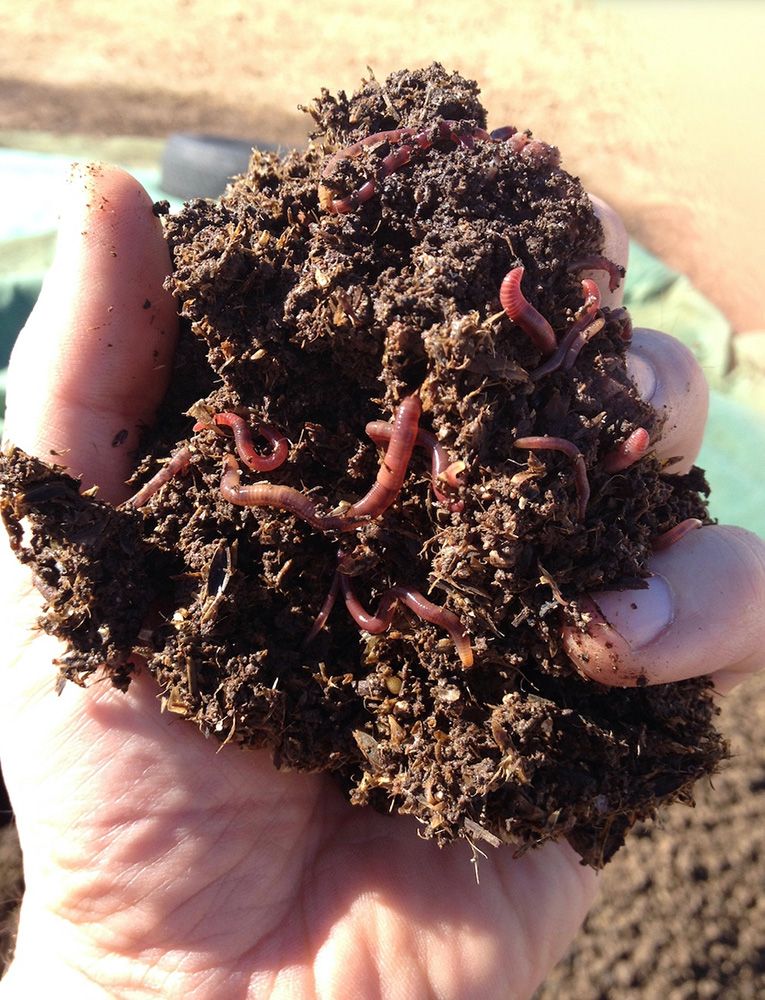
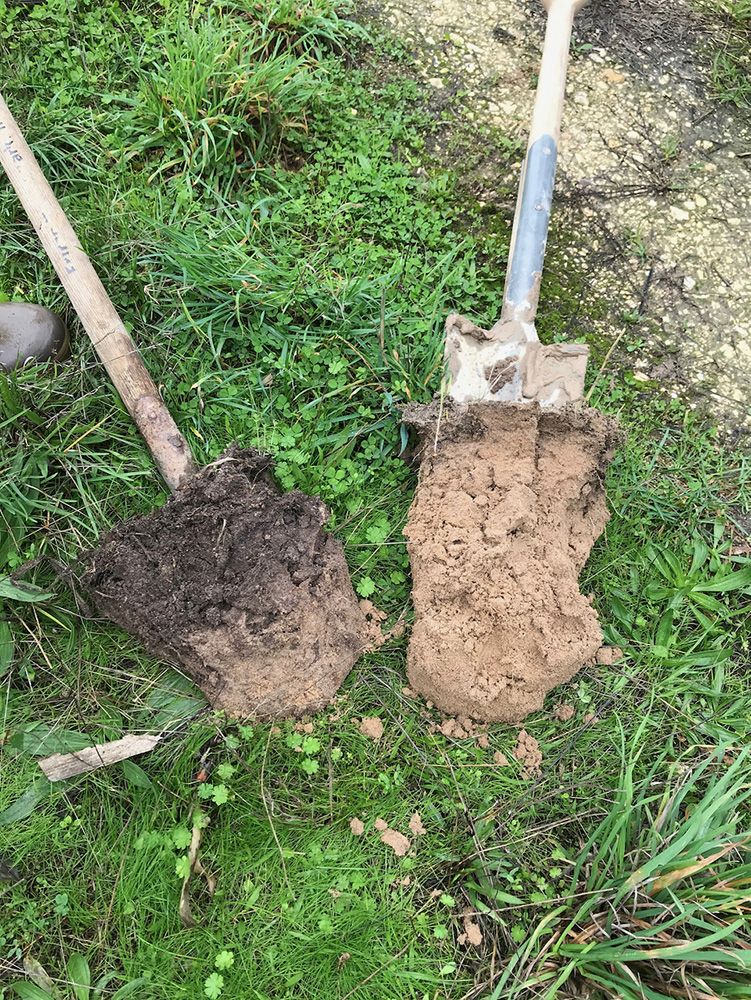
By implementing regenerative agriculture practices, the project is restoring the natural fertility of the soil and improving biodiversity of agro-ecosystems, crucially while capturing more carbon than is emitted. For the farmers, the project provides an additional source of income thanks to carbon finance; improves their market prospects as a sustainable grower; and supports them to become more resilient to unpredictable weather patterns. The project has a vision for tomorrow’s agriculture: regenerative and more profitable with a positive environmental impact; farming re-centred on soil and people.