Relevant to:
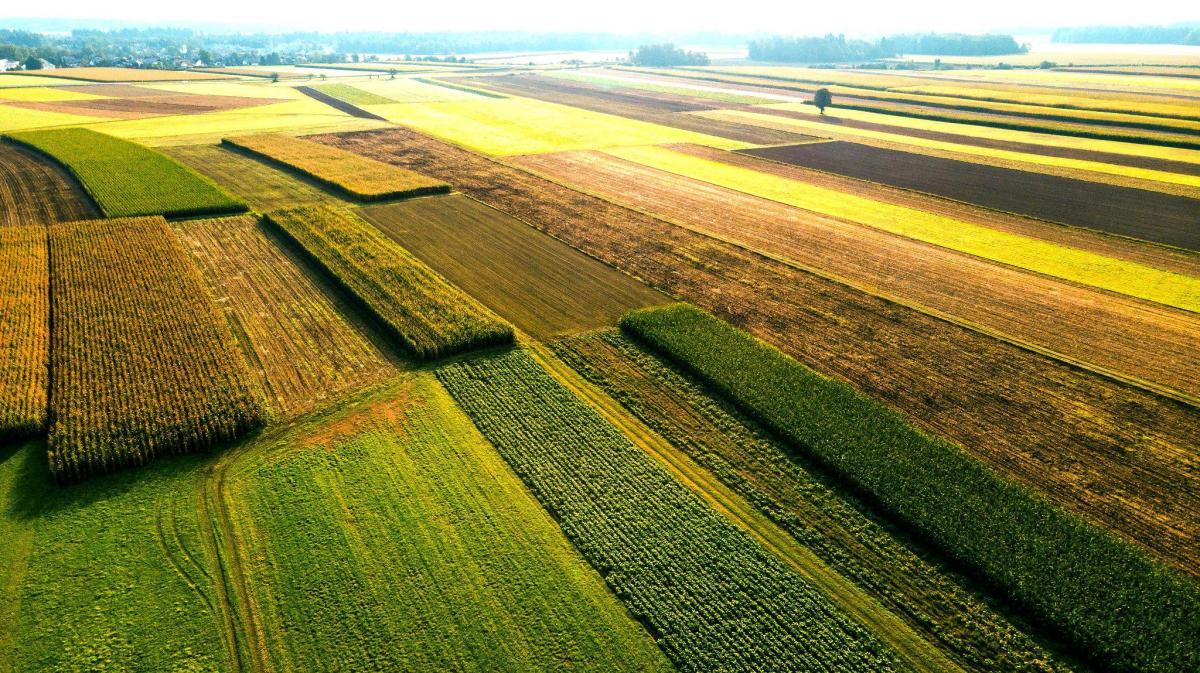
Food and beverage companies rely on agricultural value chains that are increasingly exposed to climate risk, reporting pressure and margin pressure. Together, these create four critical challenges.
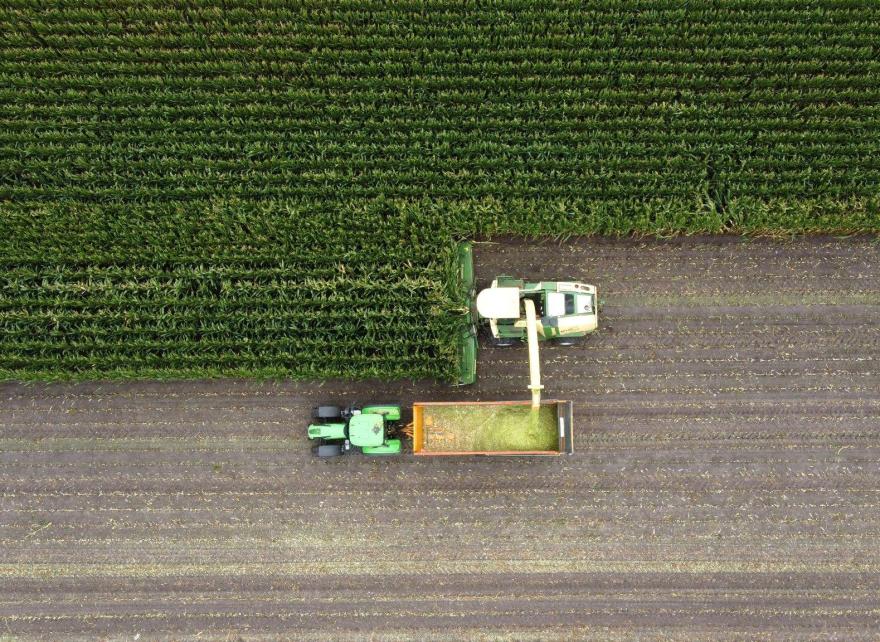
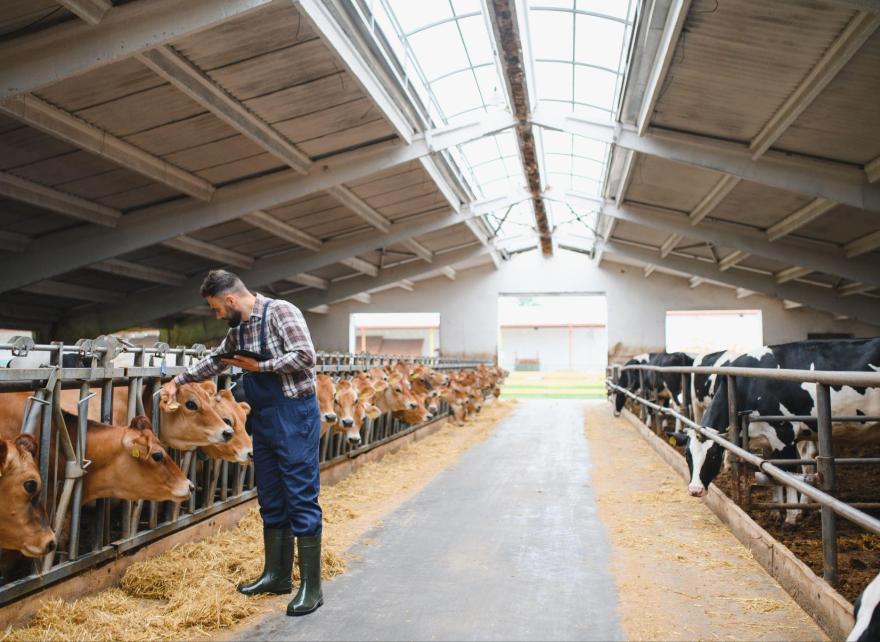
Scope 3 accounts for roughly 88% of F&B emissions. Most comes from on-farm and other land use where primary data is hardest to collect, leading to:
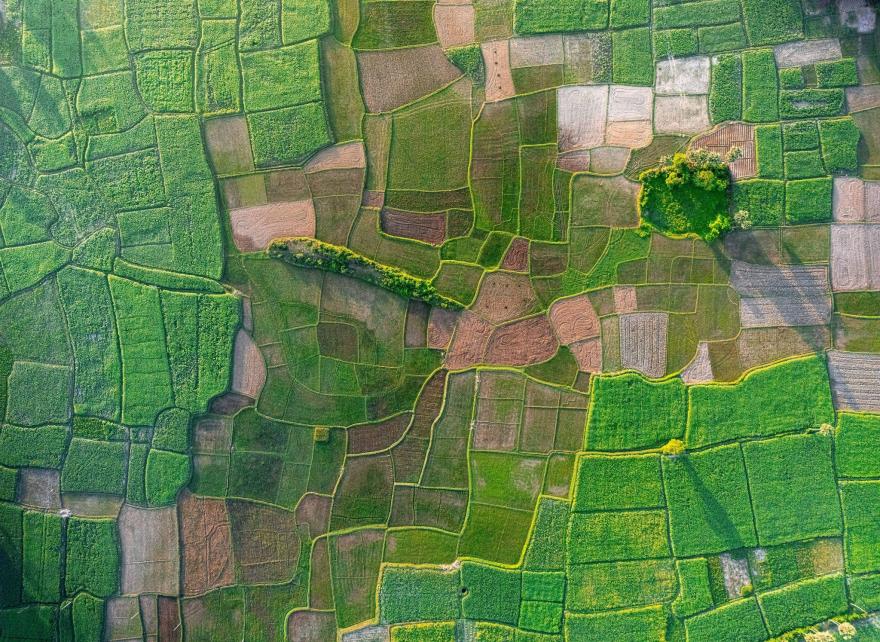
EUDR, CSRD and SBTi FLAG each bring distinct data demands and timelines. Treating them separately makes the process harder, leading to:
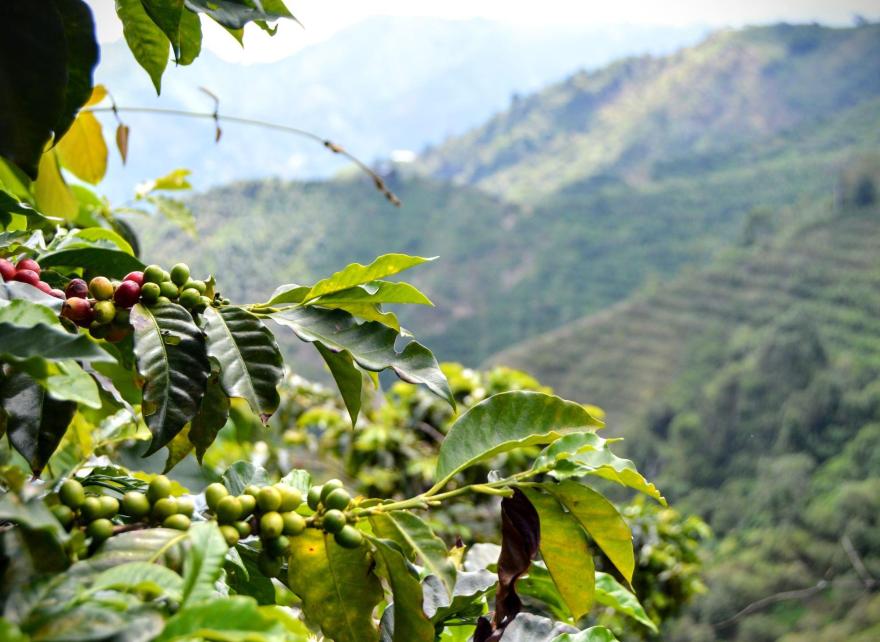
Drought reduced global cocoa production by 14% in 2023–24. Coffee prices rose 55%. Without a resilient plan, businesses can face:
Nearly 80% of investors see ESG as critical, yet organisations struggle to link sustainability to financial value clearly enough to win internal support. This can result in:
Set forest, land and agriculture (FLAG) targets that withstand validation
Reduce duplication across reporting and compliance efforts
Integrate risks and opportunities into procurement and investment decisions
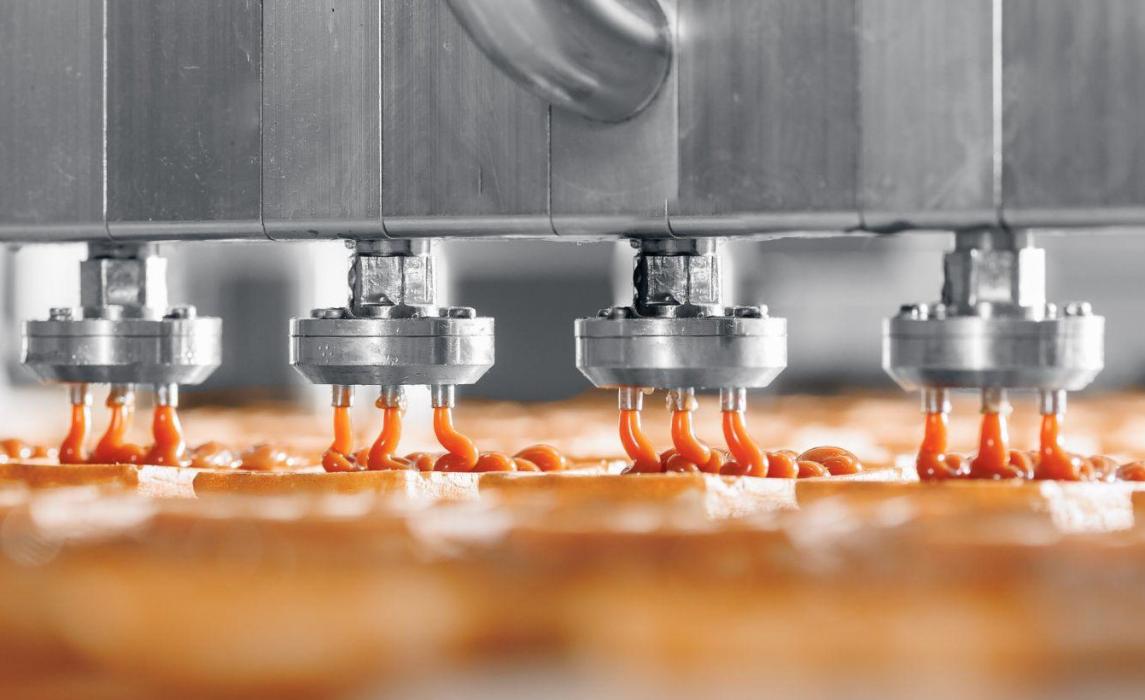
Agricultural emissions are hard to measure and easy to challenge. We help you build baselines that stand up to scrutiny, set SBTi-aligned FLAG targets that pass validation and track progress that holds up to board and regulator scrutiny.
What you get:
A phased roadmap to track and report against
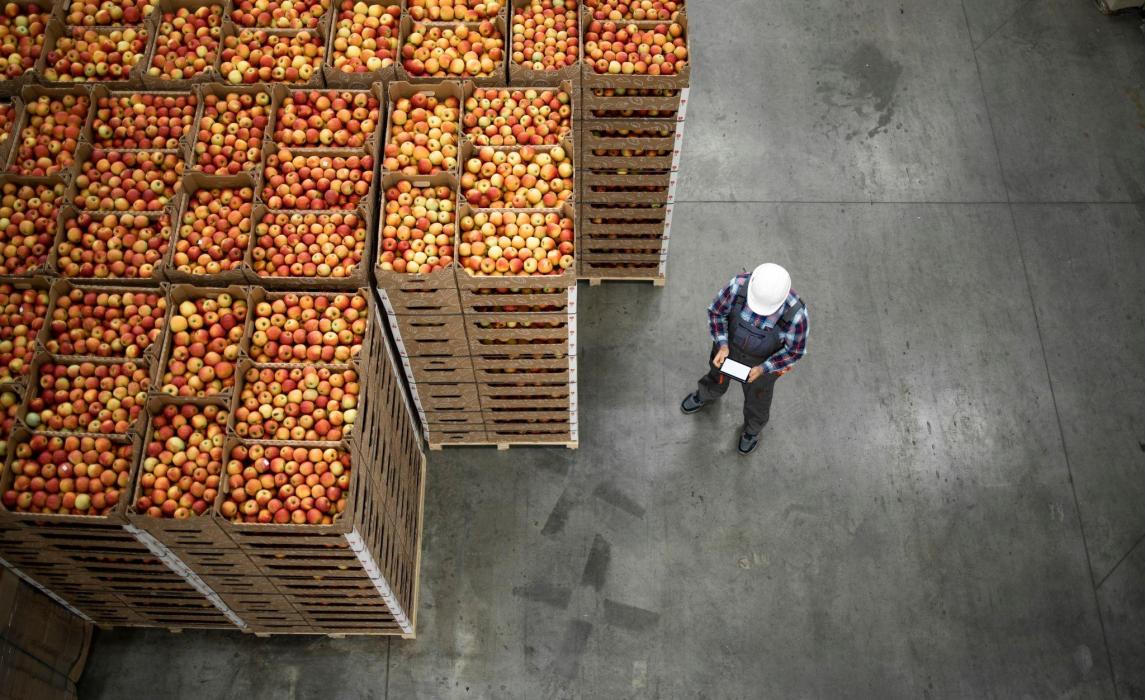
EUDR, CSRD, and SBTi FLAG each bring different requirements, timelines, and data needs. We bring them together in one programme so your team reduces duplication and your disclosures stay aligned.
What you get:
A compliance roadmap that works across global franchise structures
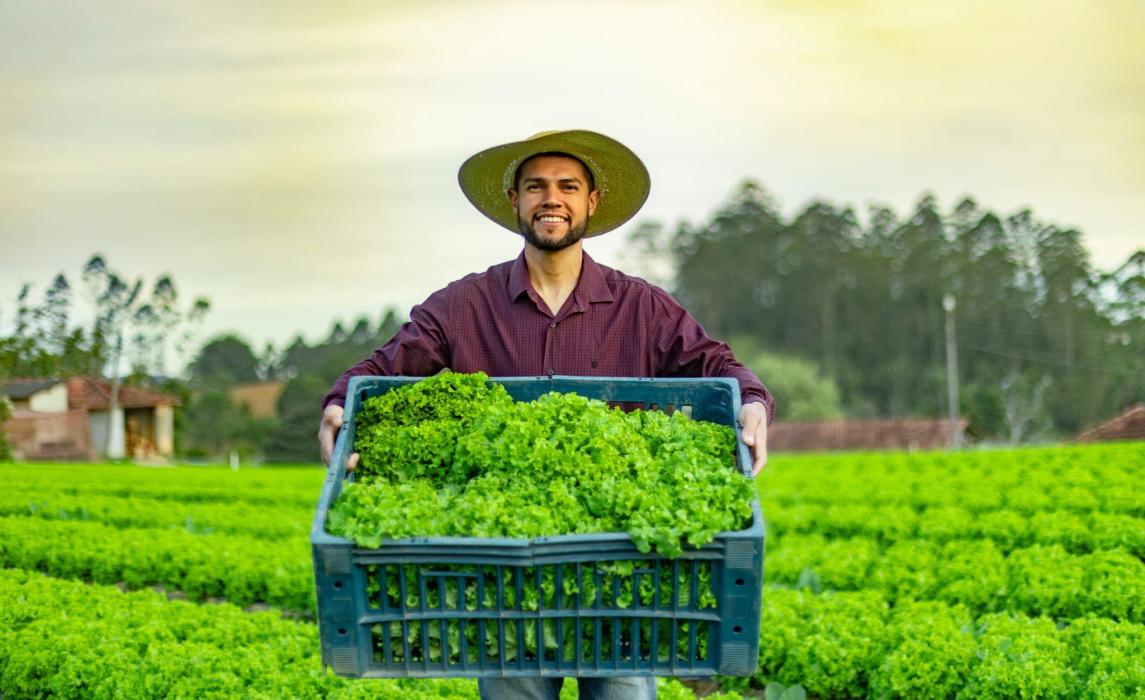
Climate risk is already affecting cocoa, coffee, and other key commodity prices. We help you plan early and integrate risk into procurement and investment decisions now.
What you get:
South Pole has a depth of industry experience that is unique in the market.
We have supported 50+ food and beverage companies across all sector verticals.
We understand both the global and local standards and regulations and how they interplay.
From insetting to regenerative farming, we identify interventions that fit your value chain.
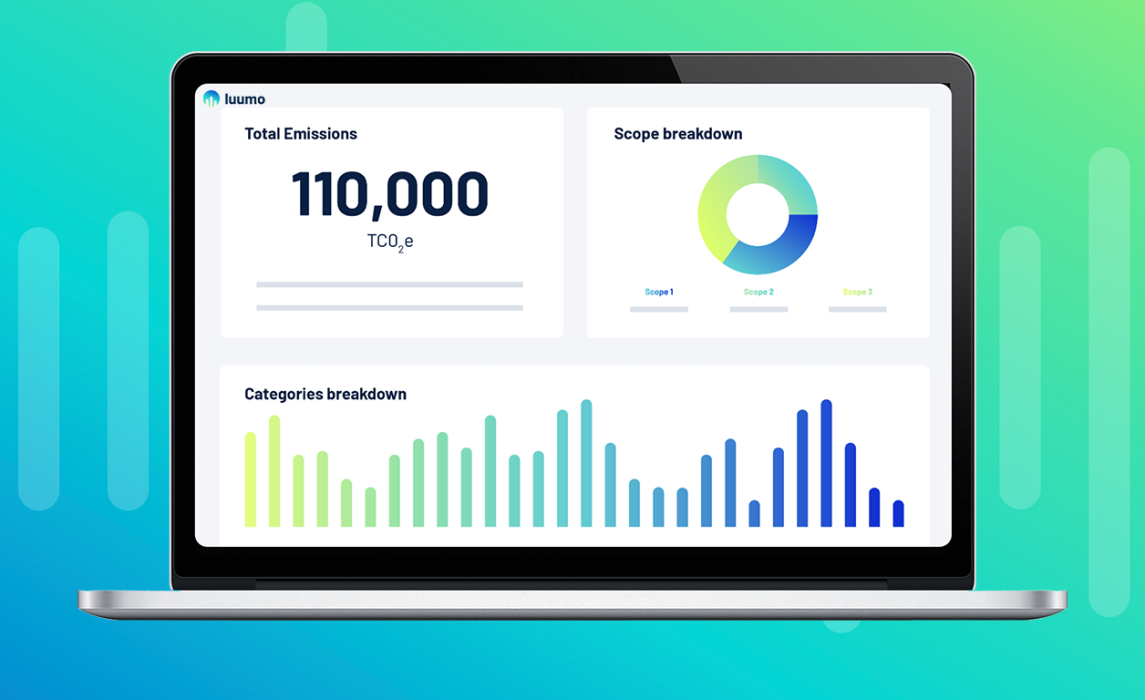
Our digital platform, Luumo, gives you insights and tools for emission footprinting, reduction roadmaps and risk modelling including scope 3, supported by experts every step of the way.
South Pole’s food & beverage learning library brings together the expertise of our global team in one place
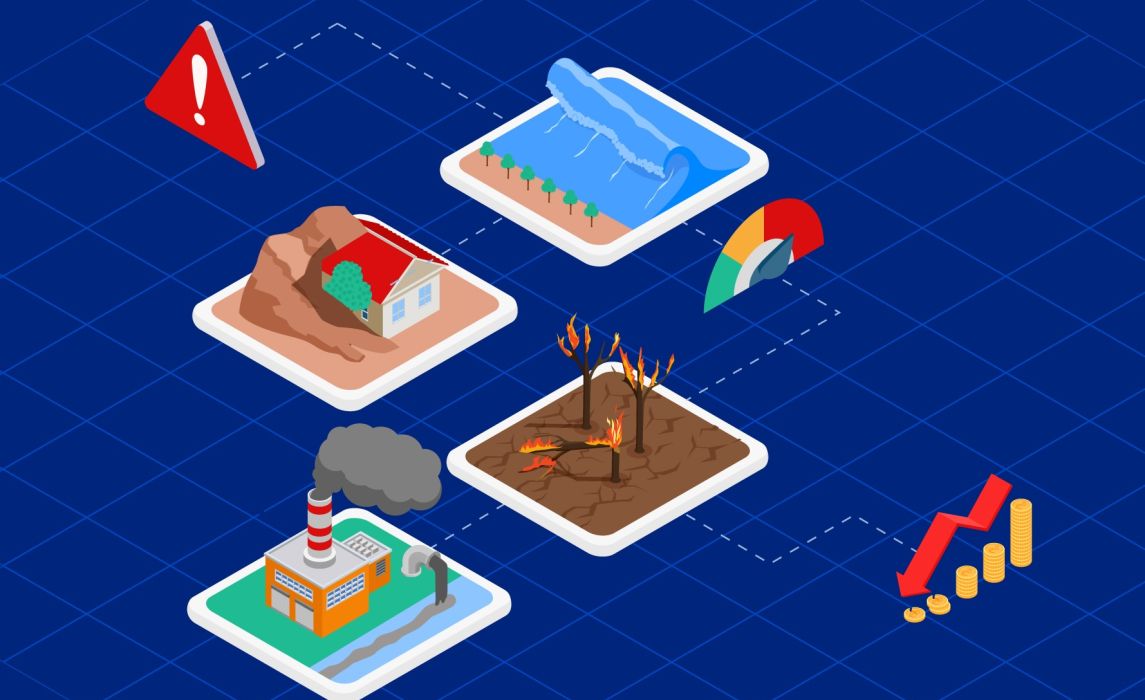
Learn about climate risks, the main challenges to address them and how you can act now with the 10-minute ‘South Pole Quickguide’ .

Gérez les mutations de 2026, évitez les chocs de prix et suivez les normes SBTi. Téléchargez le guide pour faire des crédits carbone un atout stratégique.
From compliance to carbon credits, South Pole combines specialist advisory, market access and implementation support to help companies reduce risk and move faster from planning to execution.
Générez des rapports extra-financiers conformes aux exigences des auditeurs, des autorités de régulation et de votre conseil d'administration.
Fixez des objectifs et des plans de transition crédibles, finançables et immédiatement opérationnels
Optimisez votre stratégie d'achat d'énergie, sécurisez vos coûts et atteignez vos objectifs Scope 2.
Engagez vos fournisseurs pour réduire vos émissions et sécuriser vos objectifs Scope 3.
Soutenez votre action climatique grâce à des crédits carbone de haute intégrité.
Sécurisez vos unités d'émission conformes aux exigences de l'OACI grâce à une stratégie d'approvisionnement maîtrisée et diversifiée.