Supporting farm incomes and restoring land in India through agroforestry
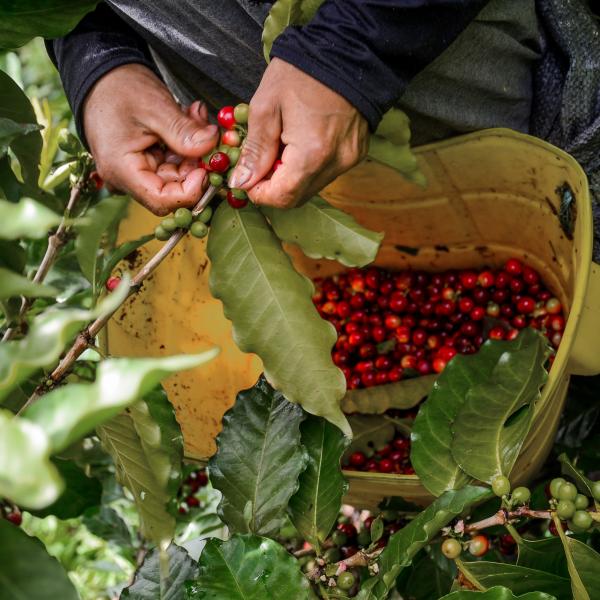
In Karnataka, southern India, the project land was mostly paddy fields, with some barren and fallow farmland, owned by smallholder farmers. Shifting to tree crops needs upfront investment in saplings, land preparation and irrigation. Without tree cover, soils are more exposed to erosion and store less carbon.
To learn more about the Sustainable Development Goals verified by the standard for this project, please check the project's registry link above.
The project supports smallholder farmers to plant fruit and nut trees, such as mango, cashew and areca, across a project area of around 18,000 hectares. Project proponent SAFE works with SCODWES, which trains farmers in nursery care, irrigation and organic pest control. It is under validation with Verra (VCS 5383).
As the trees grow, the project is forecast to remove on average 55,290 tCO₂e annually. Farmers aim to strengthen their incomes through fruit and nut harvests, with training in sustainable practices. More tree cover also aims to improve soil health, reduce erosion and provide habitat for wildlife.