


These initiatives are incredibly diverse, with some focusing on nature-based solutions that harness the power of ecosystems, such as forestry and land management, while others employ technology-based solutions that rely on engineered methods like renewable energy or direct air capture. Each project type offers a unique and vital contribution to global climate action, collectively building a more sustainable future.
With deep experience channelling climate finance to over 850 projects, South Pole equips global organisations to invest confidently in impactful solutions and the technologies shaping our low-carbon future.
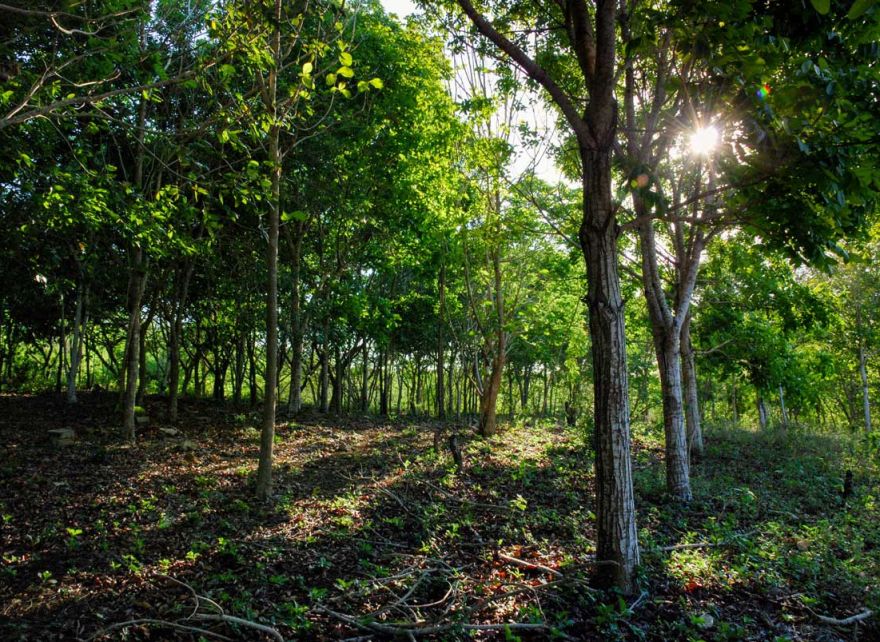
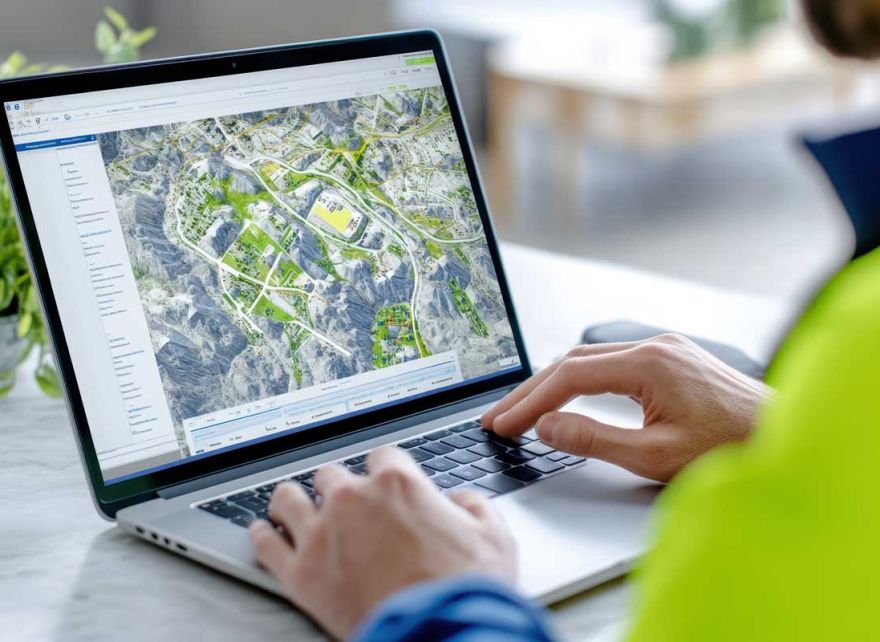
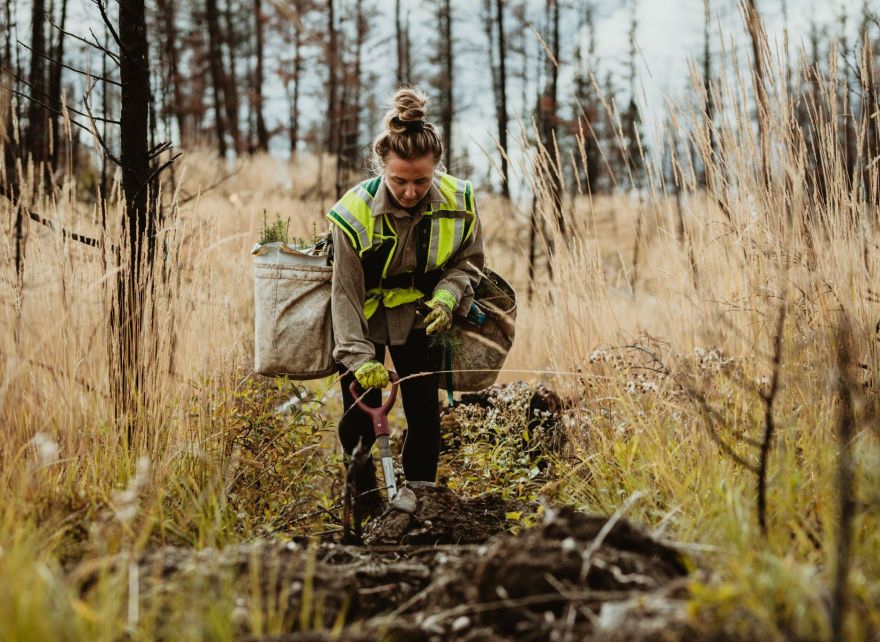
Feed additives reduce methane generated by ruminant livestock during digestion. Solutions range from chemical inhibitors such as 3-NOP, to natural options like seaweed and essential oils, with proven reductions of 20–90%. These innovations address one of agriculture’s largest emission sources and support more sustainable dairy and beef production.
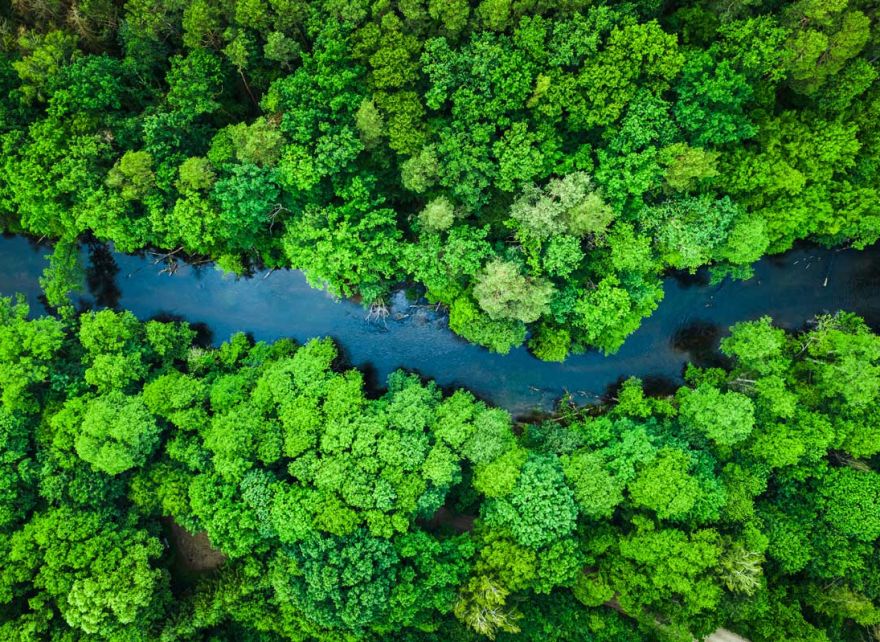
Forests are one of the most powerful tools we have to combat climate change, yet 10 million hectares are lost each year. REDD+ projects protect and restore forests, helping countries cut emissions, enhance carbon stocks and promote sustainable land use. Recognised under the Paris Agreement, REDD+ can deliver gigatonnes of CO2 reductions annually whilst supporting biodiversity and livelihoods.
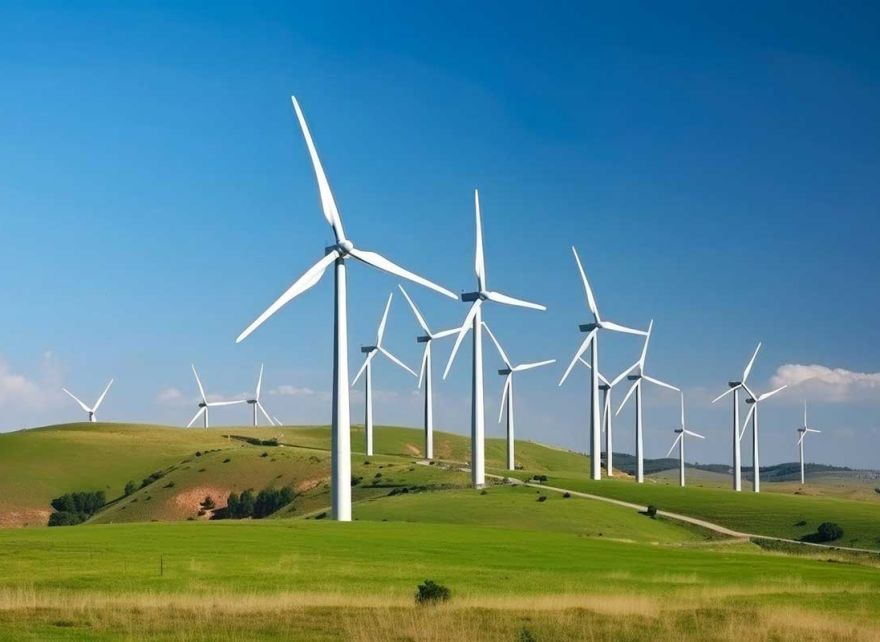
Renewable energy replaces fossil fuels with clean, abundant sources such as wind, solar, hydro, biomass and geothermal power. By cutting greenhouse gas emissions from electricity and heat production (the largest sources of global emissions) renewables are central to the 1.5°C pathway. They also improve energy security and reduce air pollution.
For over 2 billion people, cooking is a daily challenge that affects health, livelihoods and the environment. Improved cookstoves burn fuel in a cleaner, more efficient way, reducing harmful smoke and lowering the demand for firewood and charcoal. This protects forests, improves air quality, and supports healthier communities.
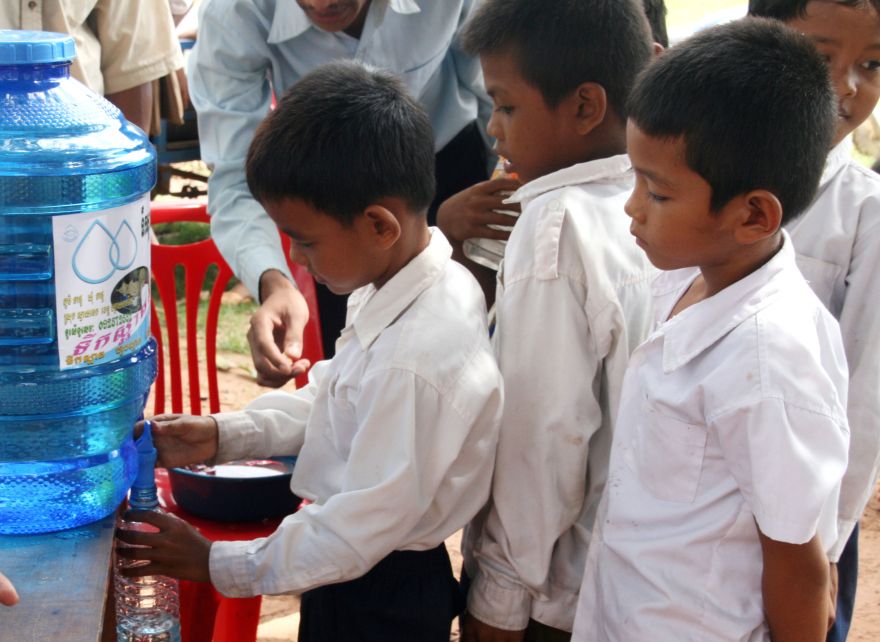
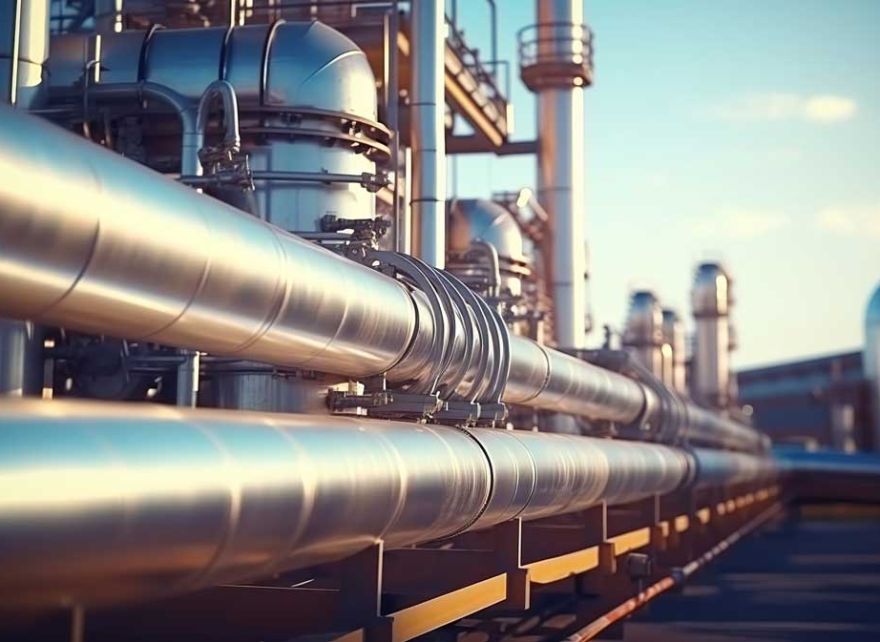
Landfill gas, a by-product of decomposing waste, contains roughly equal parts methane and CO2—potent greenhouse gases. If left untreated, it escapes into the atmosphere, driving climate change. Capture systems collect and either combust the gas to destroy methane or convert it into usable energy. This process both reduces emissions and generates a secondary resource.


Soil carbon sequestration captures CO2 from the atmosphere and stores it in soils through plant residues, root systems, and microbial activity. By increasing soil organic carbon, farmland becomes a more effective carbon sink while also improving fertility, water retention, and resilience. This makes Soil organic carbon (SOC) a vital nature-based pathway for climate change mitigation and sustainable agriculture.
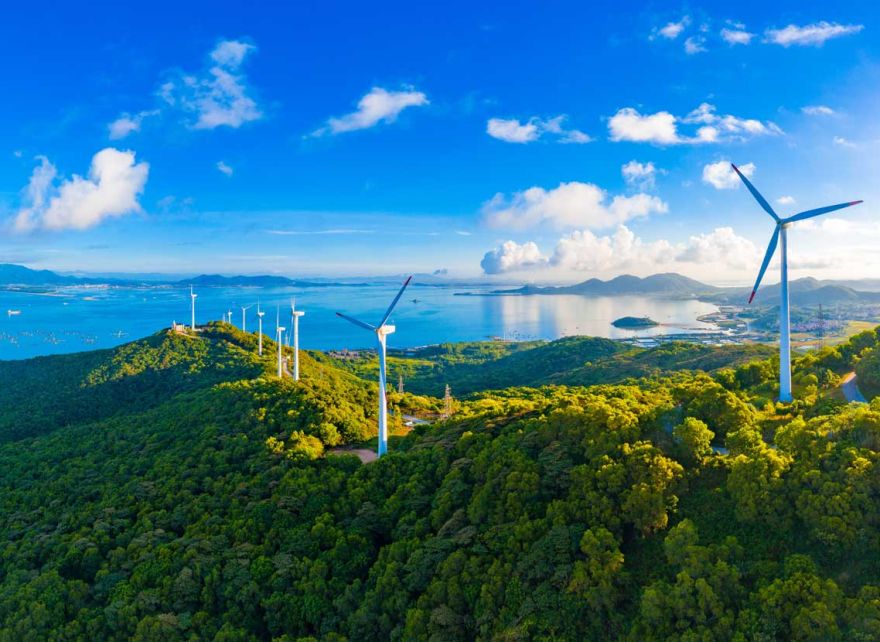
DACCS is an engineered solution that captures CO2 directly from the atmosphere, without using biomass feedstock. The captured carbon is paired with secure storage, such as deep geological formations, for thousands of years. This closed-loop process ensures precise measurement, reporting and verification (MRV). Powered by renewable energy, DACCS offers one of the most reliable and permanent carbon removal methods available.

Concrete mineralisation involves injecting and storing CO2 within concrete during production. This can avoid process emissions from cement manufacture while creating a stronger, commercially usable material. The stored carbon is locked away for decades or centuries. Approaches vary by project, and the method is often paired with capture technologies such as DACCS.
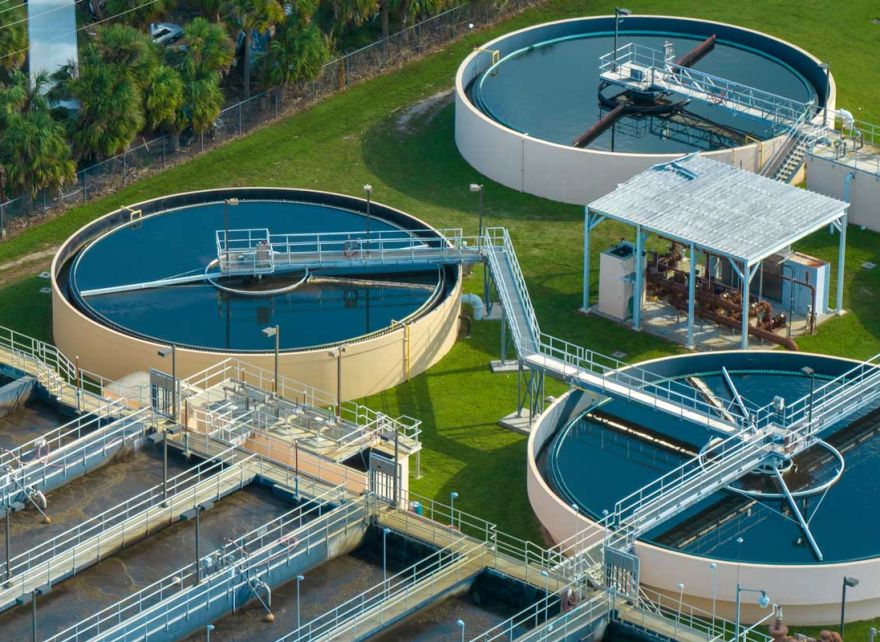
Wastewater treatment contributes to global emissions but also offers opportunities for carbon removal. Advanced processes can mineralise CO2 into stable carbonates while improving water quality and enabling circular use of waste streams. By capturing carbon and reducing methane, innovative wastewater treatment transforms a carbon source into a sustainable solution.

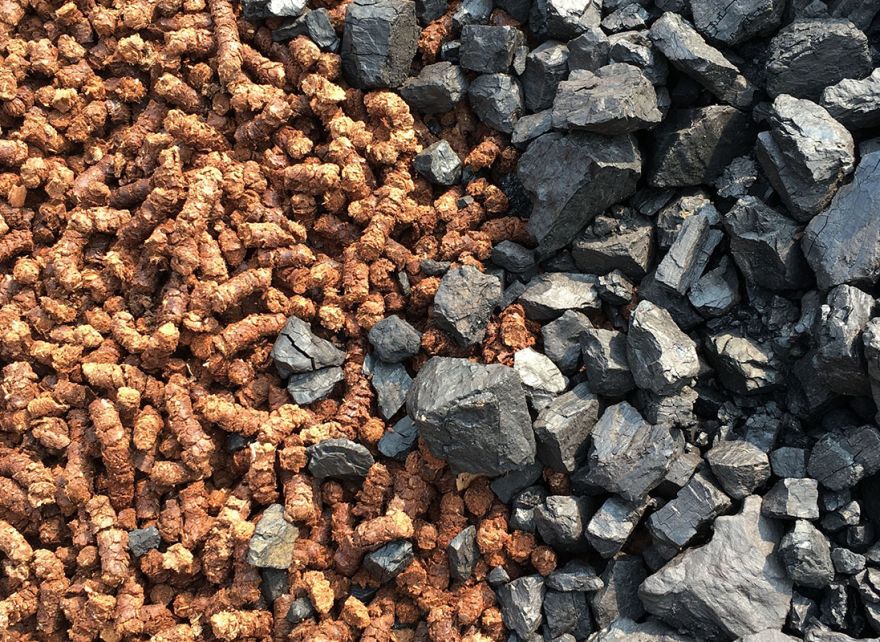
ERW accelerates natural weathering by spreading silicate rock dust onto land, where it reacts with CO2 in rainwater to form stable carbonates. These wash into soils and oceans, sequestering carbon for millennia. The approach is emerging but shows potential for co-benefits such as improved soil health and crop yields. Scalability depends on sourcing and applying large volumes of suitable rock.

Want to learn more about which project type is best for your carbon credits portfolio?
Contact us now.

Explore the world of carbon credits: discover how carbon credits offer a powerful, immediate solution to accelerate your climate action and drive measurable environmental and social impact.






Our ambition is to lead the market and exceed industry standards on transparency and disclosure for carbon projects.
From sourcing strategy to retirement and claim guidance, our team provided end-to-end support.