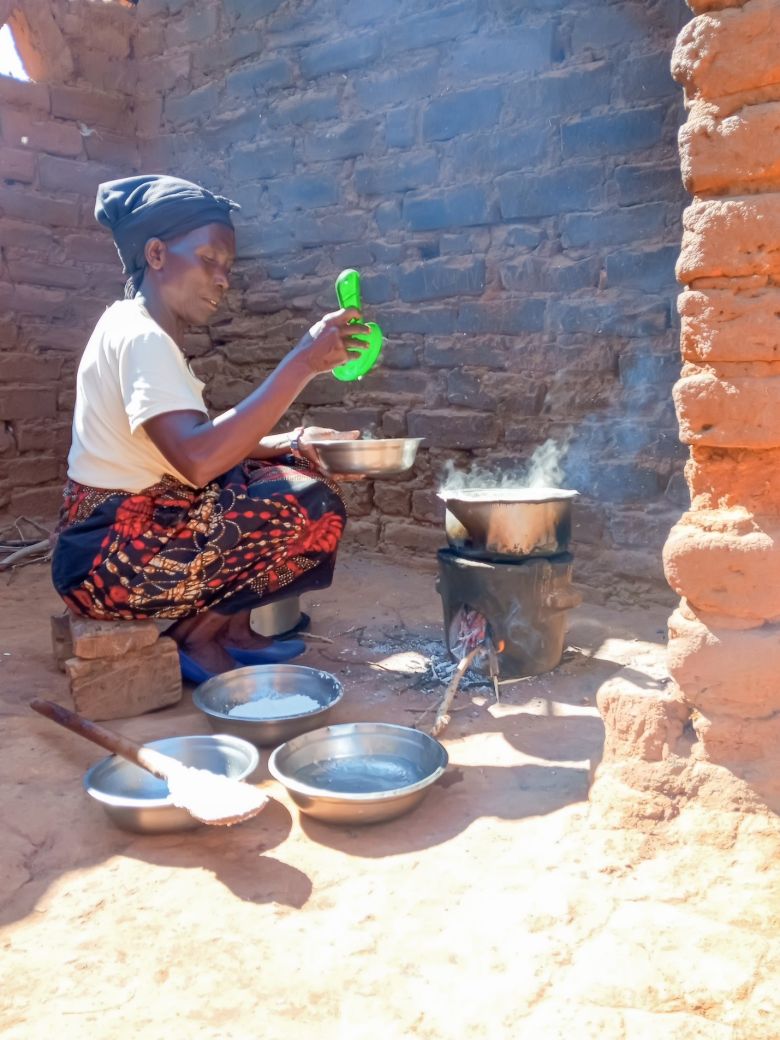
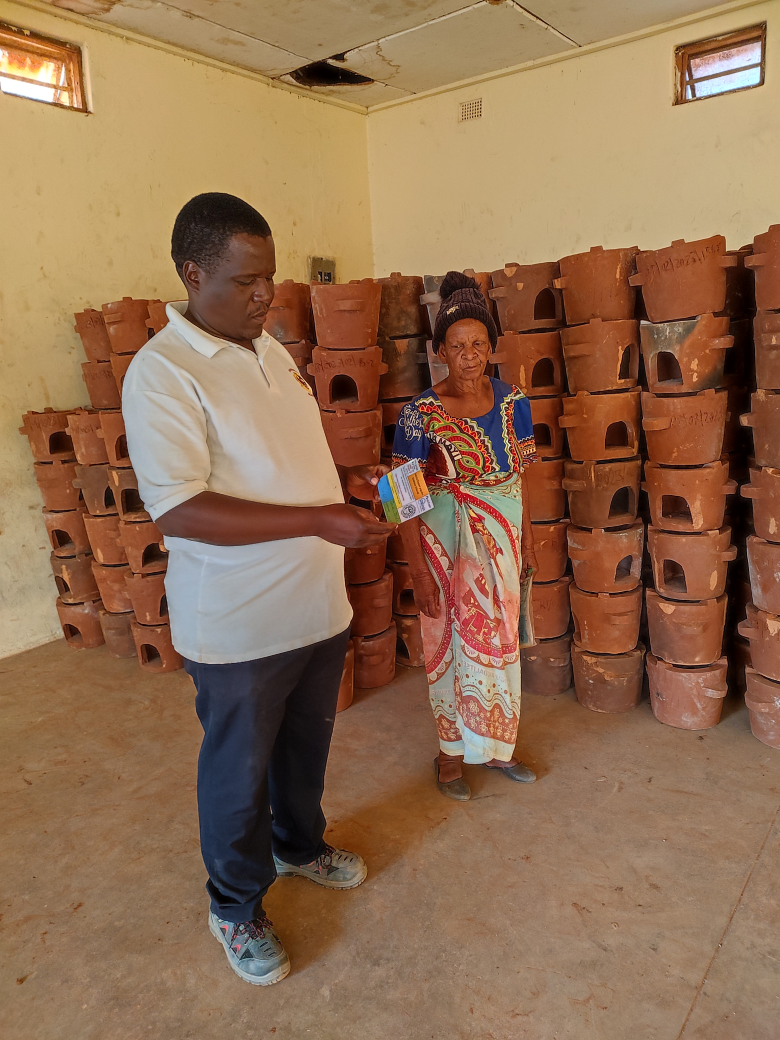
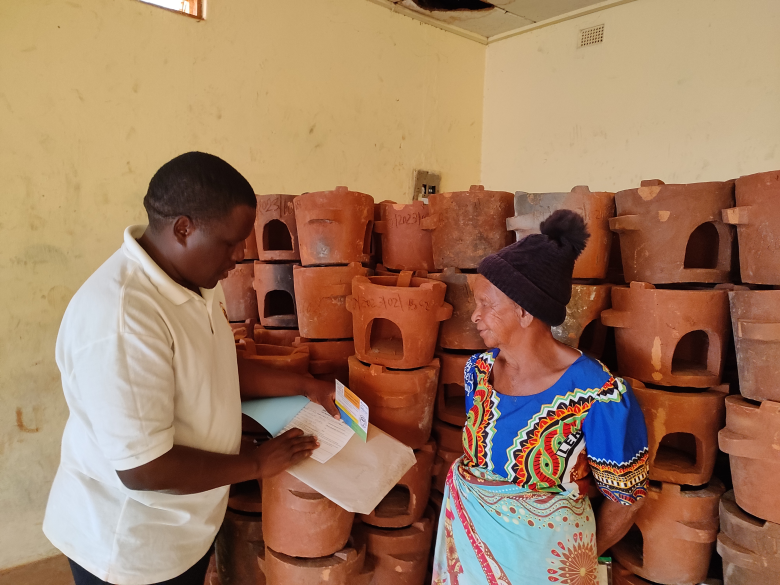
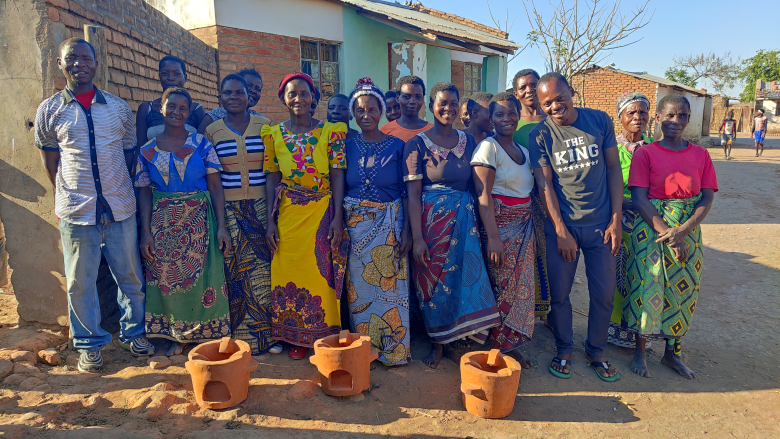
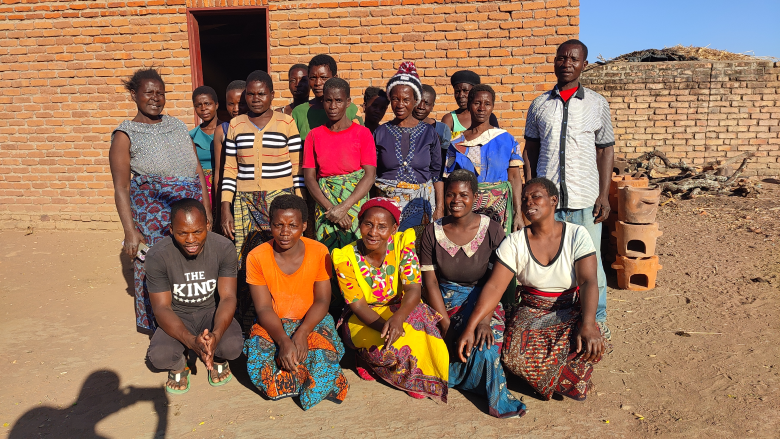
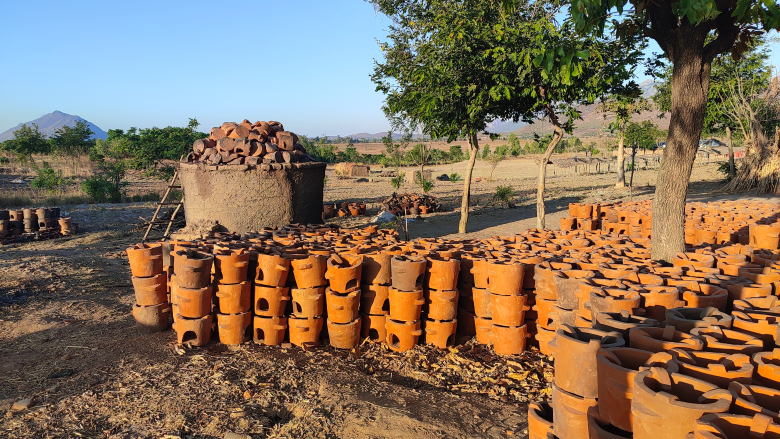
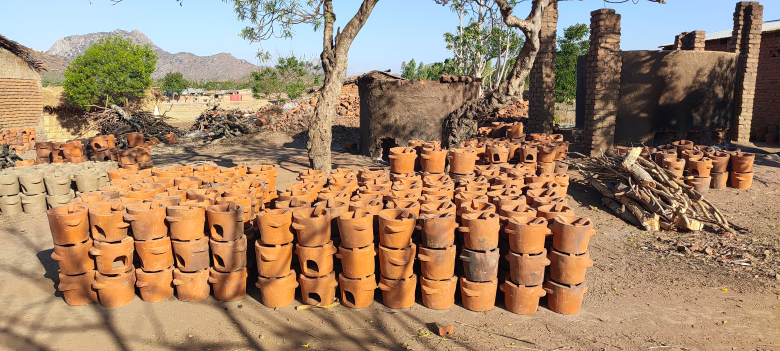
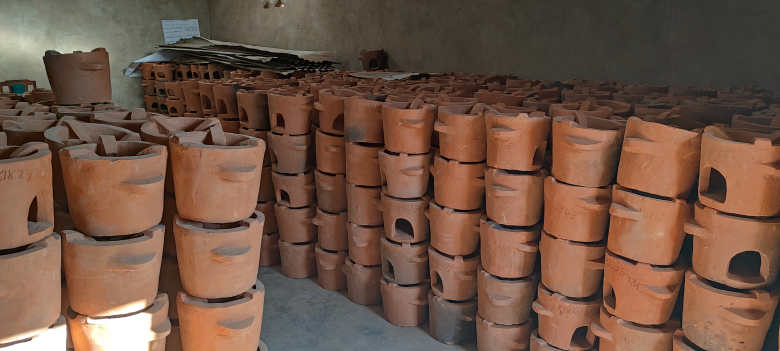
Reducing biomass and increasing energy efficiency with efficient cookstoves.
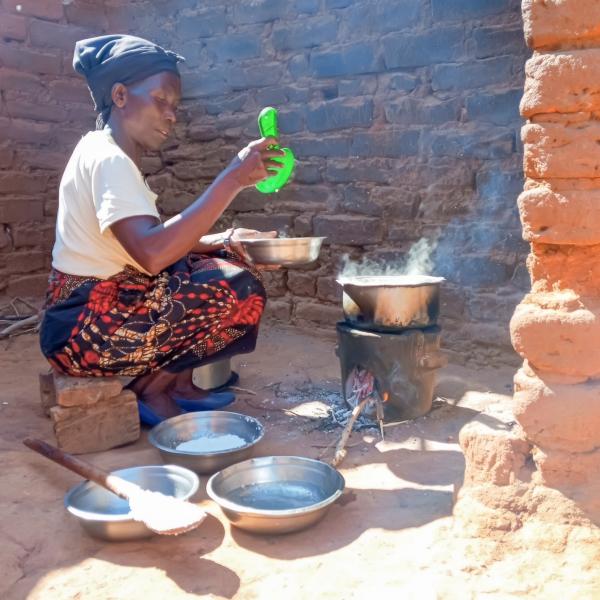
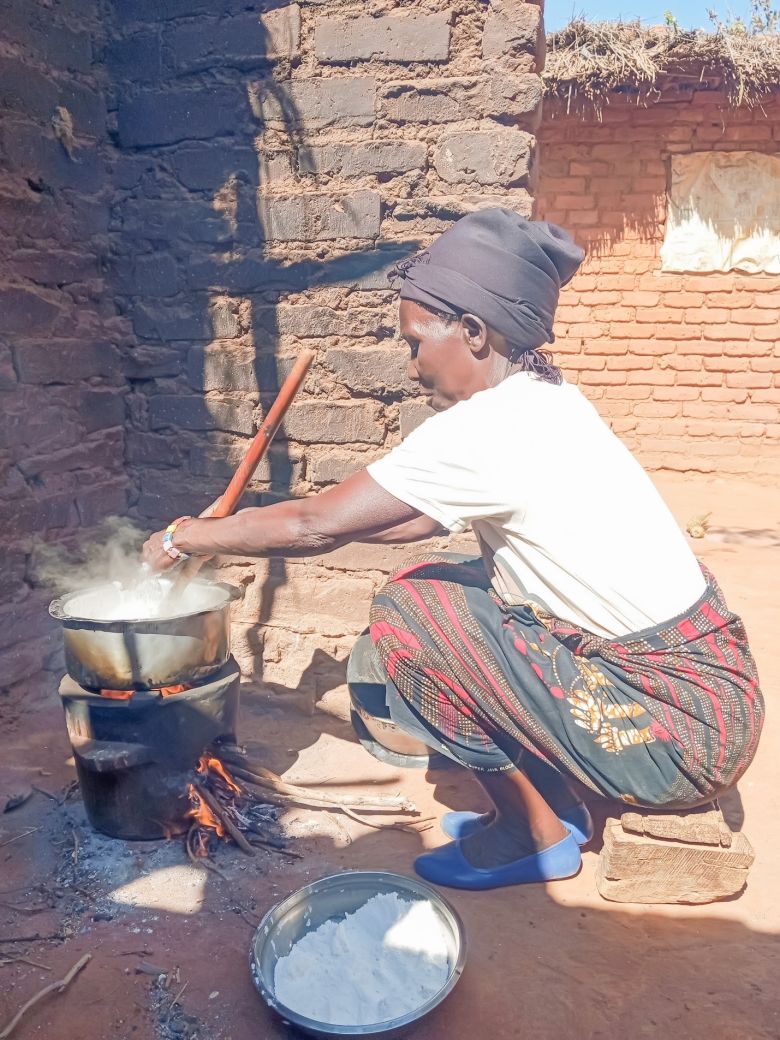
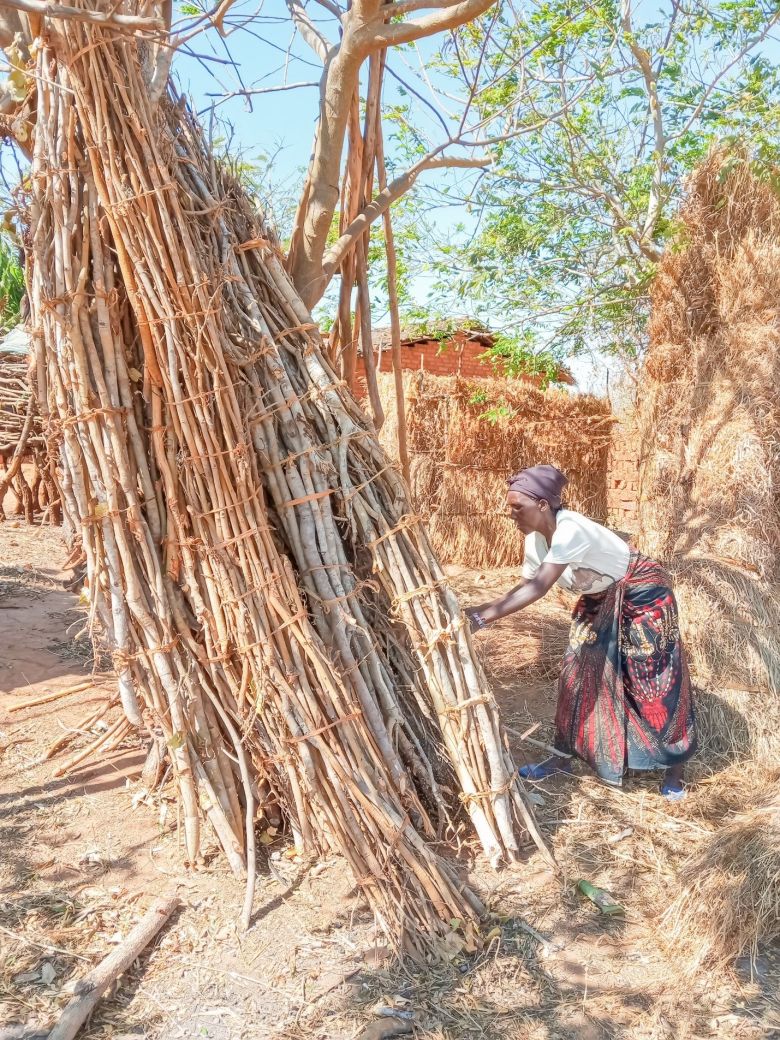
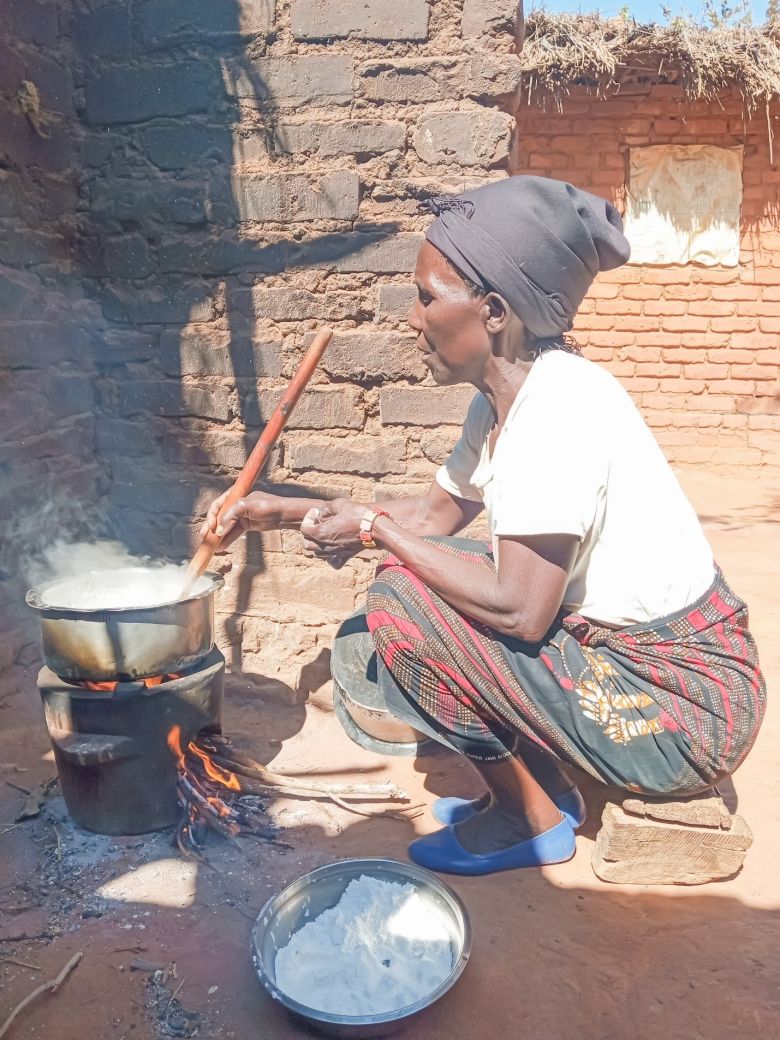
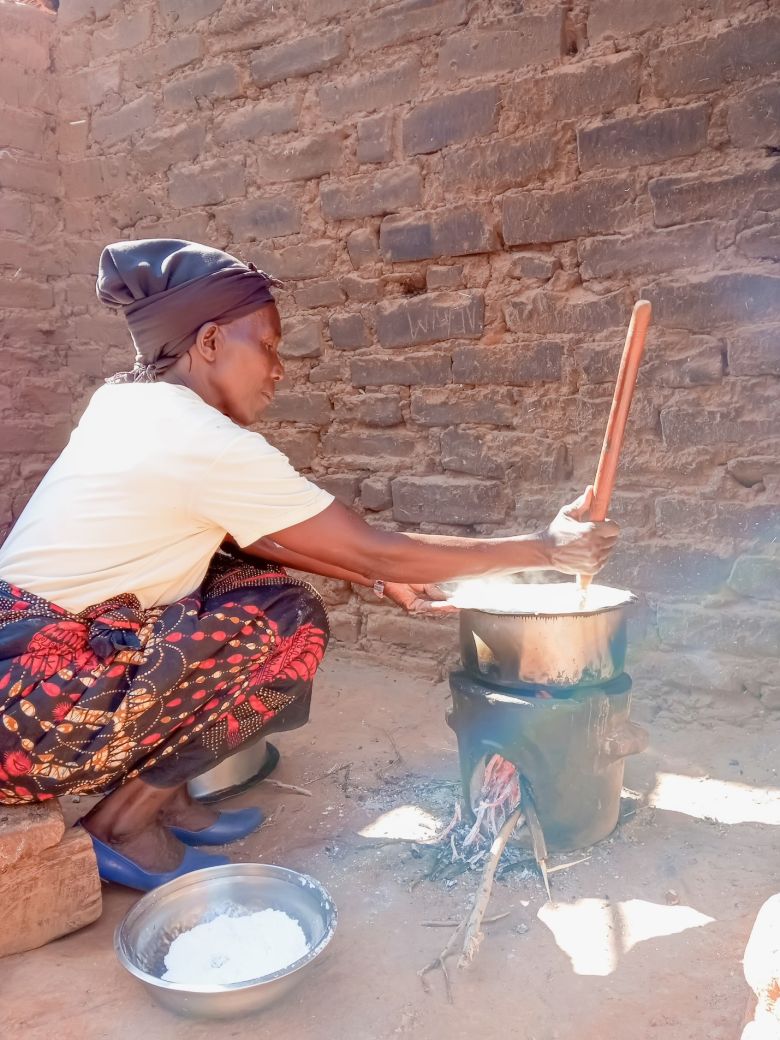
Malawi faces significant energy challenges, with 95% of the population relying on wood fuels for cooking, primarily nonrenewable biomass (fNRB) at 95.49%. Despite distributing 2 million improved Chitetezo Mbaula cookstoves from 2013 to 2020, many rural households continue to use traditional, inefficient methods like three-stone stoves or open fires due to limited stove availability. This reliance on unsustainable wood sources highlights a persistent dependency on nonrenewable fuel for basic energy needs, which the project aims to address by introducing cookstoves that reduce biomass use and improve energy efficiency in cooking practices.
The project aims to make a significant environmental impact by reducing the reliance on non-renewable firewood, which is a major contributor to greenhouse gas (GHG) emissions. By curbing the use of firewood, the project aspires to cut emissions by approximately 152,358 tCO2e annually.