Improving soil health and farmer resilience through regenerative agriculture
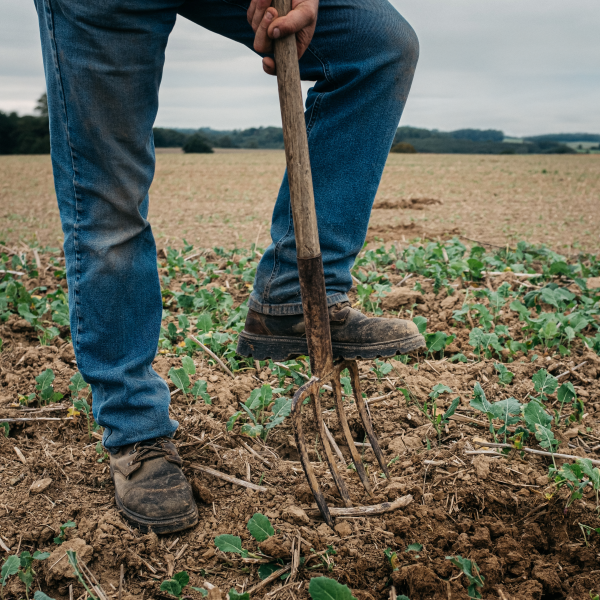
Soils are the planet’s second largest carbon sink, yet in Europe between 60–70% are unhealthy and degraded. Conventional agricultural practices have contributed to the depletion of agricultural soils, reducing organic carbon content and releasing CO₂ emissions. At the same time, the agricultural system faces structural challenges. Cereal yields in Europe have stagnated for more than 20 years, while the sector accounts for 23% of greenhouse gas emissions, with 57% linked to ruminants and synthetic nitrogen fertilisers. Transitioning to regenerative and agroecological practices could address these issues, but the shift remains costly for farmers. Uncertainty about short-term impacts on productivity creates financial risk, making adoption of such practices a significant barrier.
To learn more about the Sustainable Development Goals verified by the standard for this project, please check the project's registry link above.
The European Soil Revitalisation Programme supports farmers across Europe in adopting regenerative agricultural practices designed to restore soil health and improve ecosystem resilience. The programme promotes a range of approaches, including reduced to zero tillage, improved cover cropping, and the mandatory application of the NUTRIGEO®L biostimulant to enhance soil quality. Reduced tillage limits mechanical soil disturbance and improves structural stability, while cover crops protect soil, increase water retention, and strengthen nutrient content. NUTRIGEO®L supports plant growth by improving soil physico-chemical characteristics and microbial diversity. The biostimulant is produced by French company Gaïago. The programme is certified under the Gold Standard and follows the Soil Organic Carbon (SOC) Framework Methodology, specifically the Activity Module on biostimulants for soil revitalisation. It is developed by South Pole and, to date, implemented in France and Belgium by Gaïago.
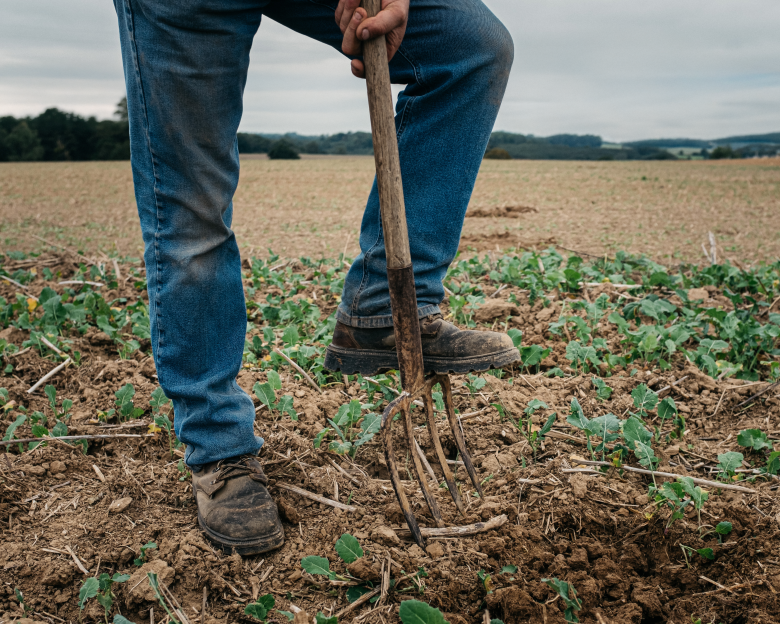
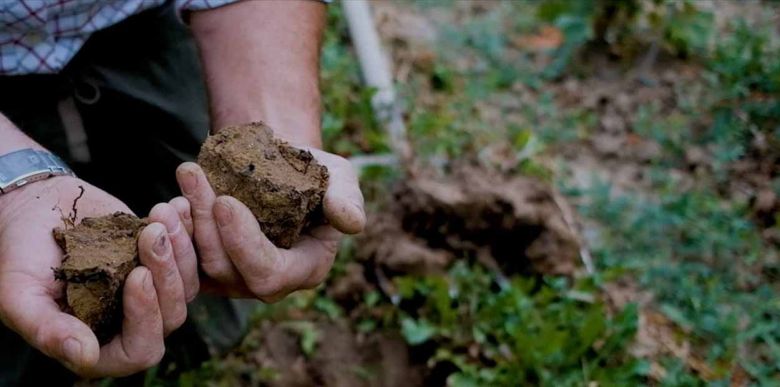
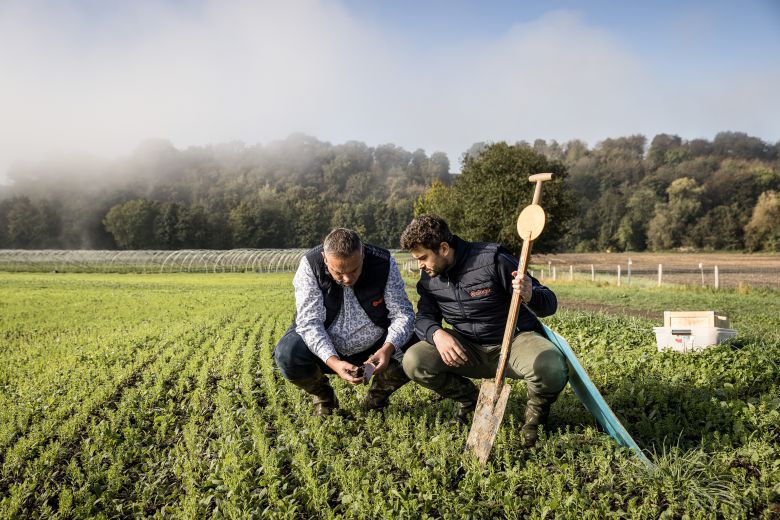
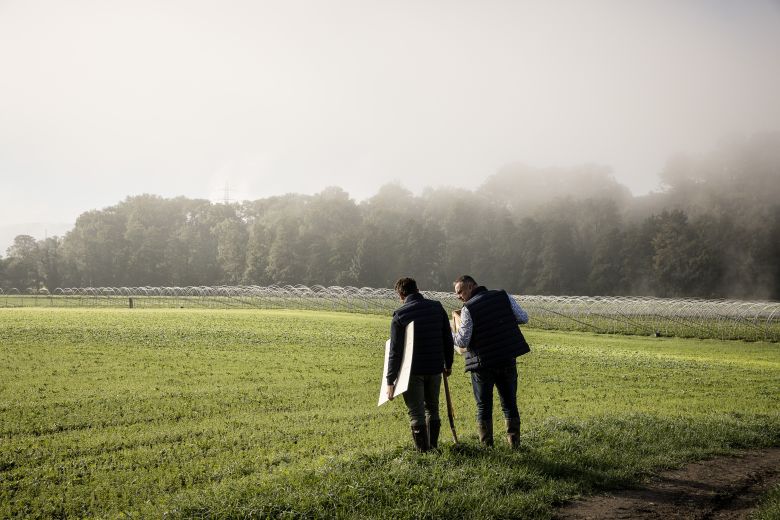
The programme contributes to environmental restoration by increasing soil organic carbon stocks through regenerative farming practices. By improving soil structure, fertility and health, these practices help store carbon in the soil while strengthening yields in farming systems. Full enrollment across all 727 participating farms will scale the initiative to over 39,282 hectares - removing forecasted 264,174 tCO₂e over its first crediting period (roughly 2.5 tCO₂e per hectare annually). The programme also strengthens local agricultural communities, with 1,972 stakeholders trained through a dedicated curriculum on soil revitalisation and agronomy to date. The project applies the FAO's GSOC MRV protocol and is aligned with the RECSOIL Initiative of the FAO.