


Improving community livelihoods, driving energy efficiency and conserving natural resources
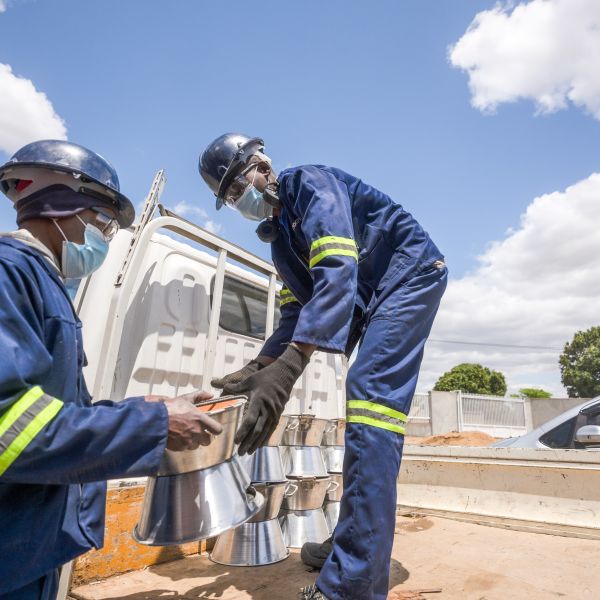
In urban areas like Maputo and Matola, families traditionally use inefficient cookstoves fueled by charcoal, a primary cooking fuel in Mozambique. This practice results in high fuel consumption, financial strain, and significant exposure to indoor air pollution, particularly for children and women responsible for cooking. Additionally, the widespread use of charcoal contributes to greenhouse gas emissions, further exacerbating environmental and health challenges in the region.
To learn more about the Sustainable Development Goals verified by the standard for this project, please check the project's registry link above.
To address these interconnected challenges, the project introduces fuel-efficient cookstove technologies to replace traditional models. The locally manufactured “Mbaula Poupa+” stove, made with a ceramic interior and aluminum exterior, is designed to reduce charcoal consumption and improve combustion efficiency. The project employs a direct, door-to-door distribution approach to increase access, aiming to reach households across Maputo Province. By providing the stoves at a subsidised price, the initiative reduces the financial burden of adopting improved cooking technologies.
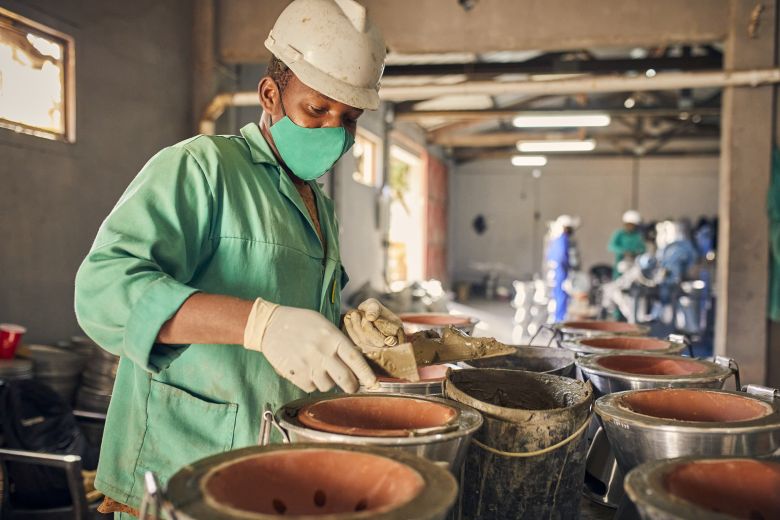
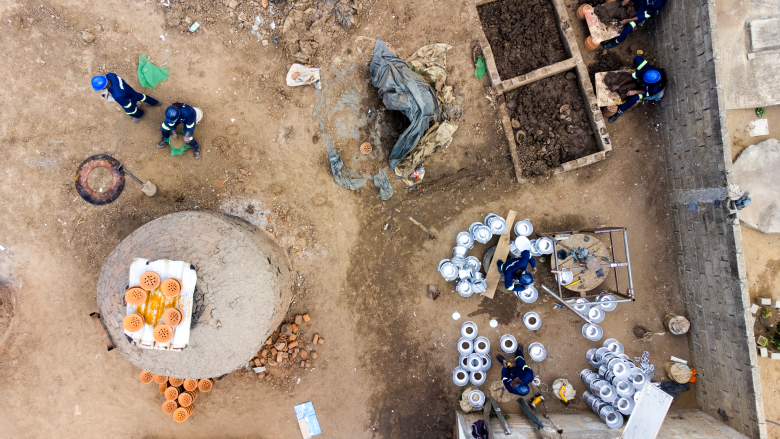
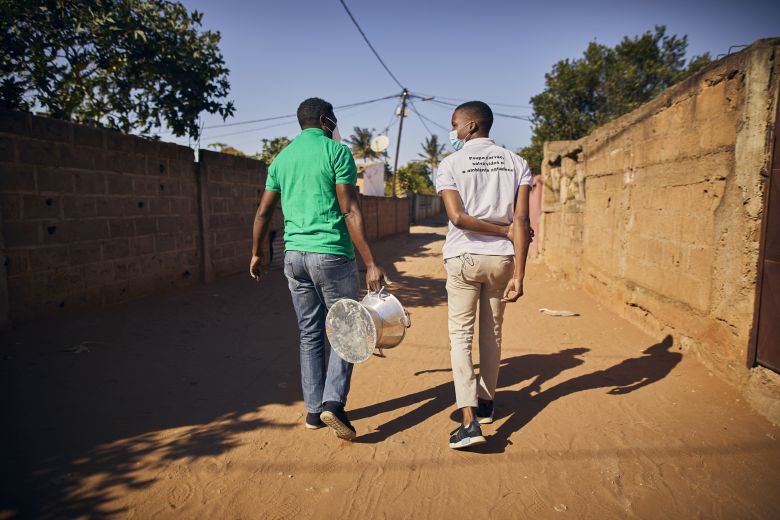
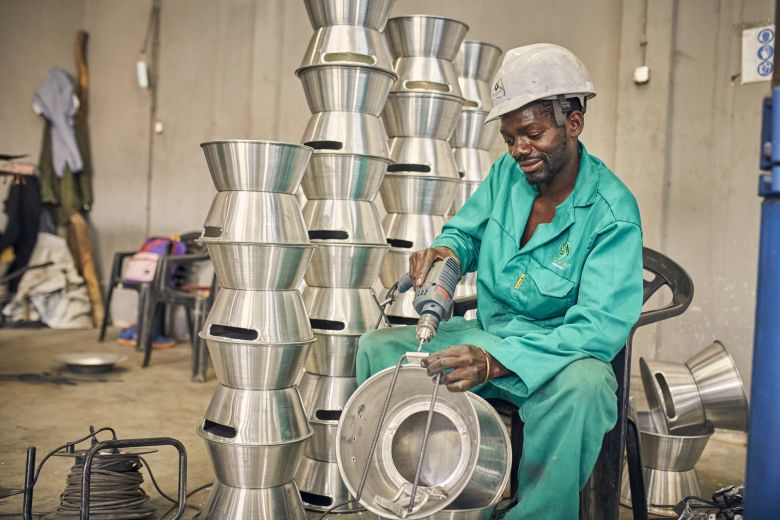
By focusing on reducing charcoal use, the project is forecast to reduce 199,206 tCO₂e annually, over its 2025–2030 crediting period. Families save on charcoal, a major household expense, while improved stove technology lowers smoke exposure, benefiting public health. Locally made stoves also boost the economy by creating demand for regional materials. Together, these efforts support sustainability goals, promoting both climate action and community well-being.
