


Improving livelihoods and cutting emissions
About 80% of the population of Pemba, a coastal city in Mozambique, lack access to essential infrastructural, social services and a high proportion rely on on inefficient stoves to cook their meals. This generates "black carbon" emissions which are up to 1,500 times more potent than CO2. This is not only bad news for the planet –over 120 megatonnes of climate pollutants are produced from inefficient stoves and open fires each year, which is equivalent to the emissions released from burning over 260 billion pounds of coal – but constant exposure to harmful smoke from cooking puts people health severely at risk.
To learn more about the Sustainable Development Goals verified by the standard for this project, please check the project's registry link above.
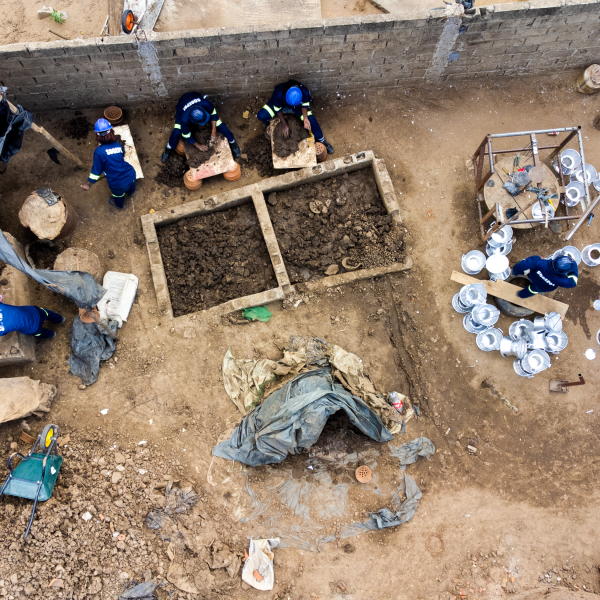
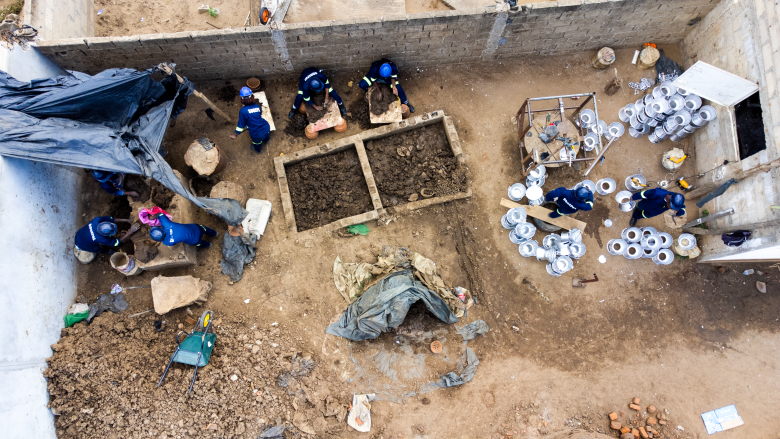
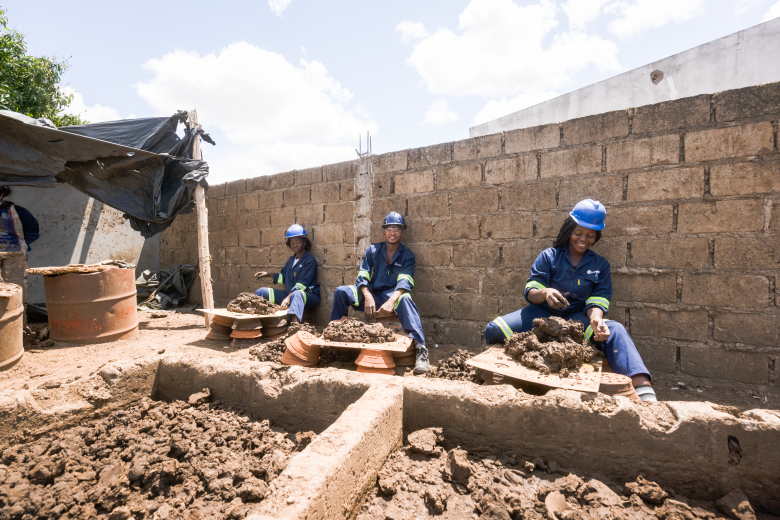
This brilliantly simple, yet highly impactful project offers families a clean and reliable solution to cook their meals, replacing traditional wood fired cook stoves. This project distributes approximately 10,000 affordable, modern and fuel-efficient cooking stoves throughout Pemba.
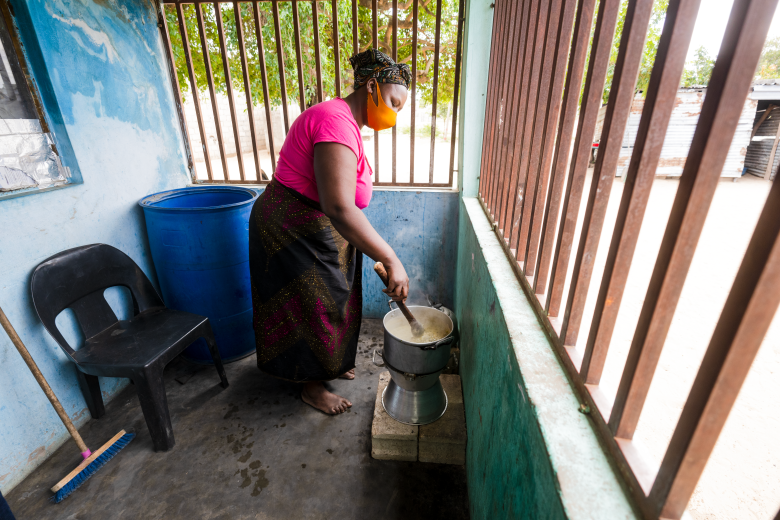
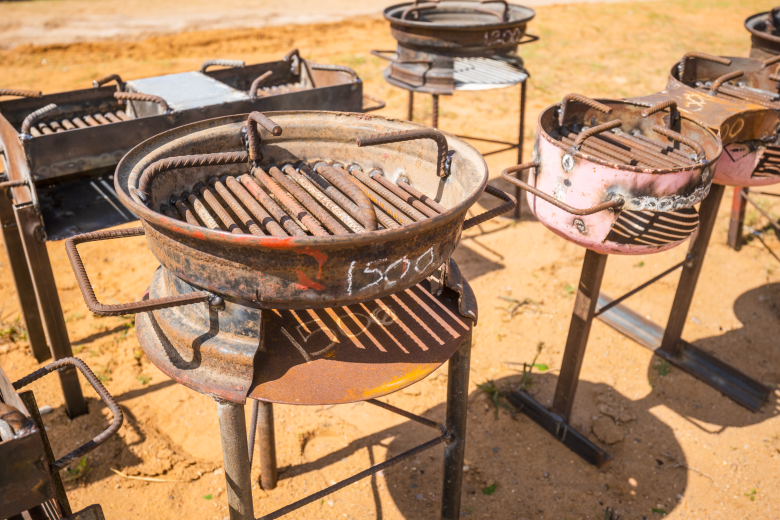
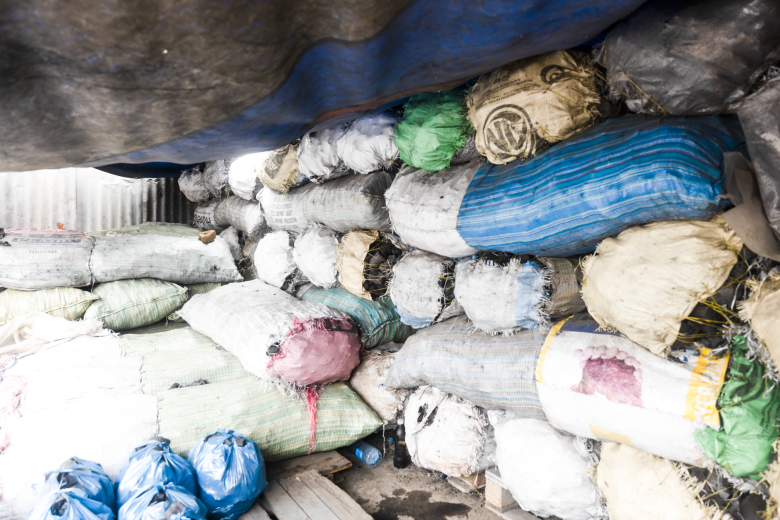
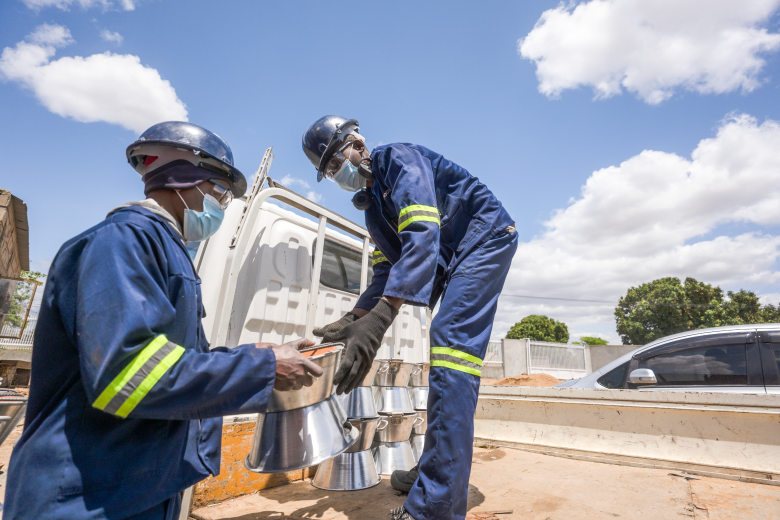
By reducing the amount of fuel needed to cook daily meals, the project creates many positive impacts for the planet and for local communities. For the planet, it eases pressure on local forests and cuts harmful GHG emissions released from burning wood and charcoal. For local communities, the project improves livelihoods as exposure to harmful smoke is reduced, families need to spend less money on fuel and the stoves are safer so there is less risk of injuries related to cooking, especially for children.
