Small-scale biogas plants contribute to efficient farms and a better environment
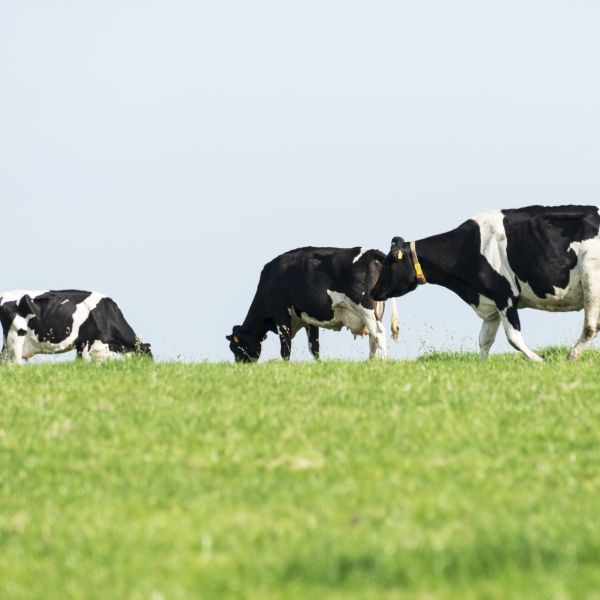
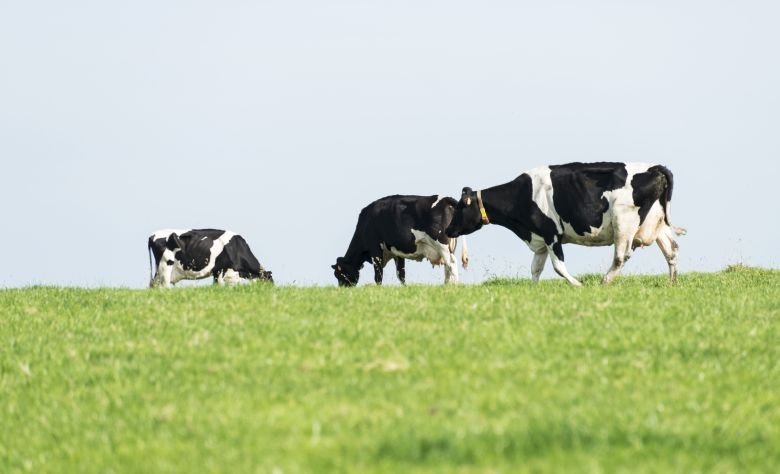
Swiss farms produce large amounts of manure, harvest residues and other organic waste. If these materials are stored in open containers, greenhouse gases such as methane, carbon dioxide and nitrous oxide are released freely into the atmosphere.

To learn more about the Sustainable Development Goals verified by the standard for this project, please check the project's registry link above.
By installing a biogas digester, farmers can use methane to generate renewable electricity. In total, 11 biogas plants participate in this programme, which reduces fossil fuels and mitigates greenhouse gas emissions. Swiss ISO Biogas promotes innovative farmers and contributes to a decentralised energy supply system in Switzerland. Generated carbon credits are verified by internationally renowned and accredited companies and the CSA registries.
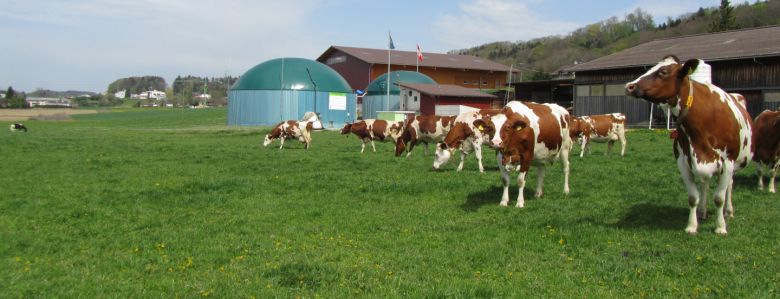

The benefits of recycling methane in agricultural farming is twofold: it enables both the production of green energy and the prevention of harmful greenhouse gas emissions from composting. Not only is the polluting effect of manure reduced, but so is the odour from fertilising with untreated manure. Farmers also save money as the by-product of the digester is a rich natural fertiliser, so they dont need to buy artificial fertilisers. In general, this biogas farming system switches farms to a lower intensity of soil-use, positively impacting field fertility and local wildlife.