
Weitere Informationen zu den durch den Standard verifizierten Zielen für nachhaltige Entwicklung dieses Projekts finden Sie im obenstehenden Link zum Projektregister.
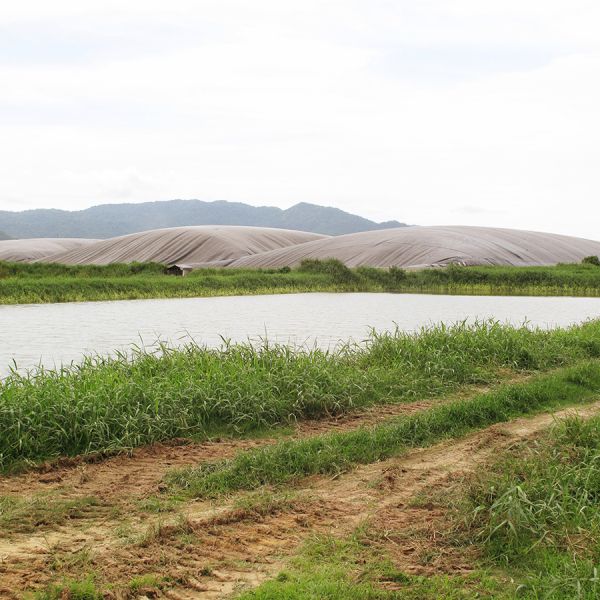
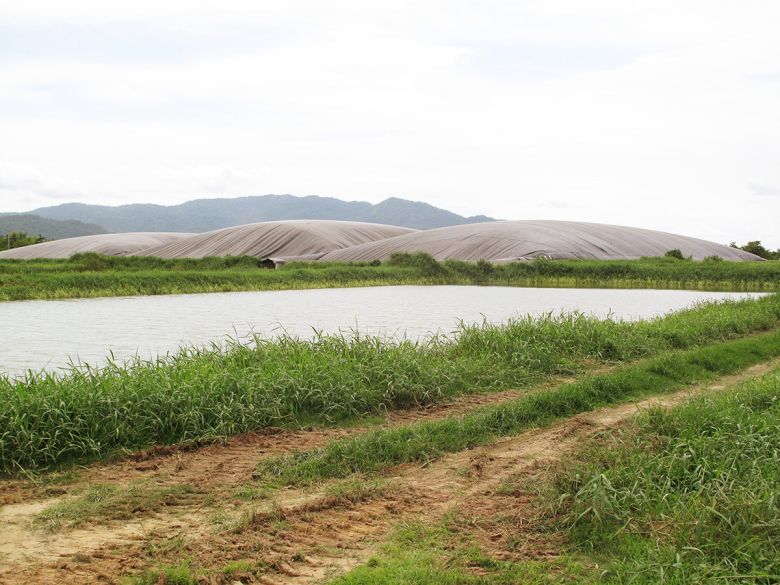
Chol Charoen Group Wastewater Treatment with Biogas System I (Chacherngsao), hereafter, ’the project activity’, involves biogas recovery and utilisation to an existing open anaerobic effluent treatment system (lagoons). It has been in operation since 1st September 2006 (project start date) at S.C Industry Co., Ltd, a tapioca starch processing plant in Chacherngsao, Thailand. This starch plant has a mean production capacity of around 168 tonnes per day with number of operating days averaging at 255 days per year . Prior to implementation of the project activity, the wastewater of the starch plant was treated through 8 cascading anaerobic open lagoons with retention time being more than a year. With the depth of these ponds being greater than 2 m from the water surface, and the mean temperature of the area being in the region of 28 ۫C , there is a suitable anaerobic environment within the ponds, with the anaerobic bacteria, that will result in the breakdown of organic compounds in the wastewater . This consequently lead to biogas generation from the organic content (characterised by chemical oxygen demand or COD) of the wastewater. The proposed project activity involves the installation of anaerobic covered lagoon facilities, to complement the existing anaerobic open lagoon based system. The four covered lagoon digesters, together, are designed with volumetric capacity of around 248,178 m3 of wastewater. The COD removal efficiency of such system is typically at 80%. The implementing system enables recovery of biogas that would have been released into the atmosphere and utilise it for thermal and electricity generation. In the case of thermal energy generation, the captured biogas will be co-fired in existing heat generating devices for the process of drying the wet starch (displacing fuel oil under the previous system). In addition, the power produced by this captured biogas will not only facilitate the electricity requirement of the plant, some electricity production may also be fed to national grid under the pending power purchase agreement with the Provincial Electricity Authority (PEA). Excess biogas will then be flared in an open flare system. The quality of the treated wastewater, although is not discharged outside the factory (thus not subject to effluent standards), will improve substantially due to higher efficiency and improved process control under the covered lagoon system as compared to its open lagoon counterpart.. In fact, such efficiency improvement of the biogas reactor system allows the starch factory to use the treated effluent of better quality, from the last open lagoon, into the raw cassava cleaning process; thus further ensuring the conservation of water supply. Not only the project activity contributes to a reduction of anthropogenic GHG emissions, it also delivers a number of benefits in the form of sustainable development. The project indeed creates new jobs and increases income to the region via fostering of contracts to local firms for the construction, operation and maintenance of the plant. Furthermore, the implementation of this project activity can reduce odour and nuisance normally associated with open lagoon wastewater system. Utilisation of methane for fuel oil replacement and electricity generation can be regarded as a mean to reduce dependency on import energy products, which in turn improves the energy security status of Thailand. In addition, it can be expected that the proposed project activity will promote technological excellence and enriching further research in biotechnology in the region.
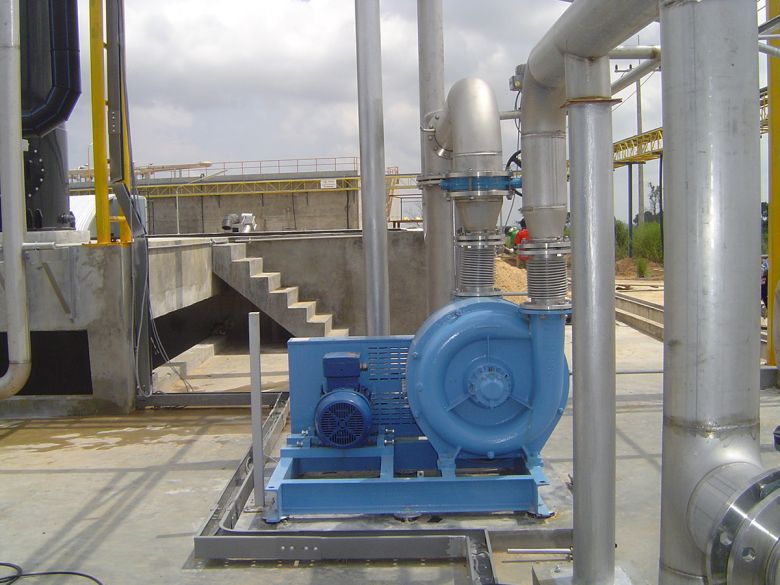
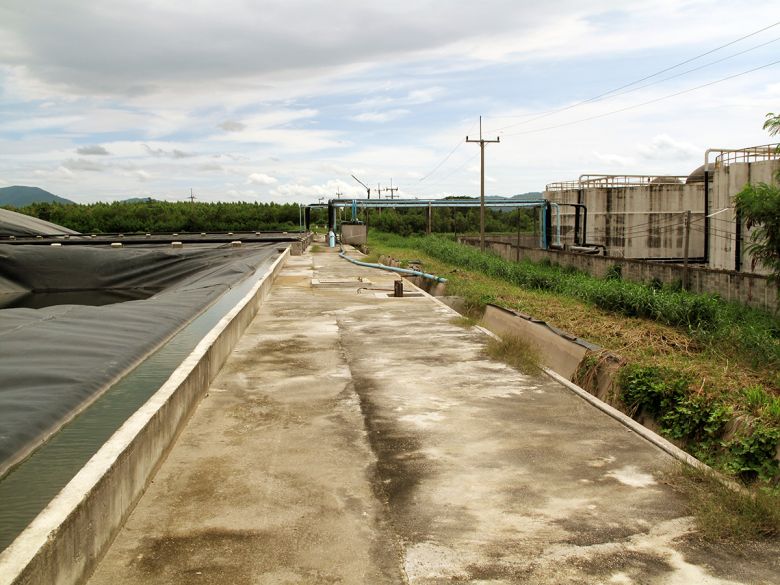
Thanks to the project, the environment and the quality of life in the area have drastically improved. The treatment process prevents greenhouse gas emissions being released into the atmosphere and the clean energy displaces energy derived from fossil fuels. The new system recycles effluent water from the plant and releases nothing into surrounding natural water sources, ensuring that groundwater water levels remain constant and uncontaminated for the local community. The involvement of local employees in the project activity will help to enhance the skills of the workforce in the region by training them in different technical areas. In addition, the collaboration between external experts and locals is expected to promote long-term sustainable partnerships. Finally, the clean electricity generated helps to improve Thailands energy security by reducing dependency on imported energy.