Relevant to:
Teams in FMCG and food companies managing land-sector emissions:
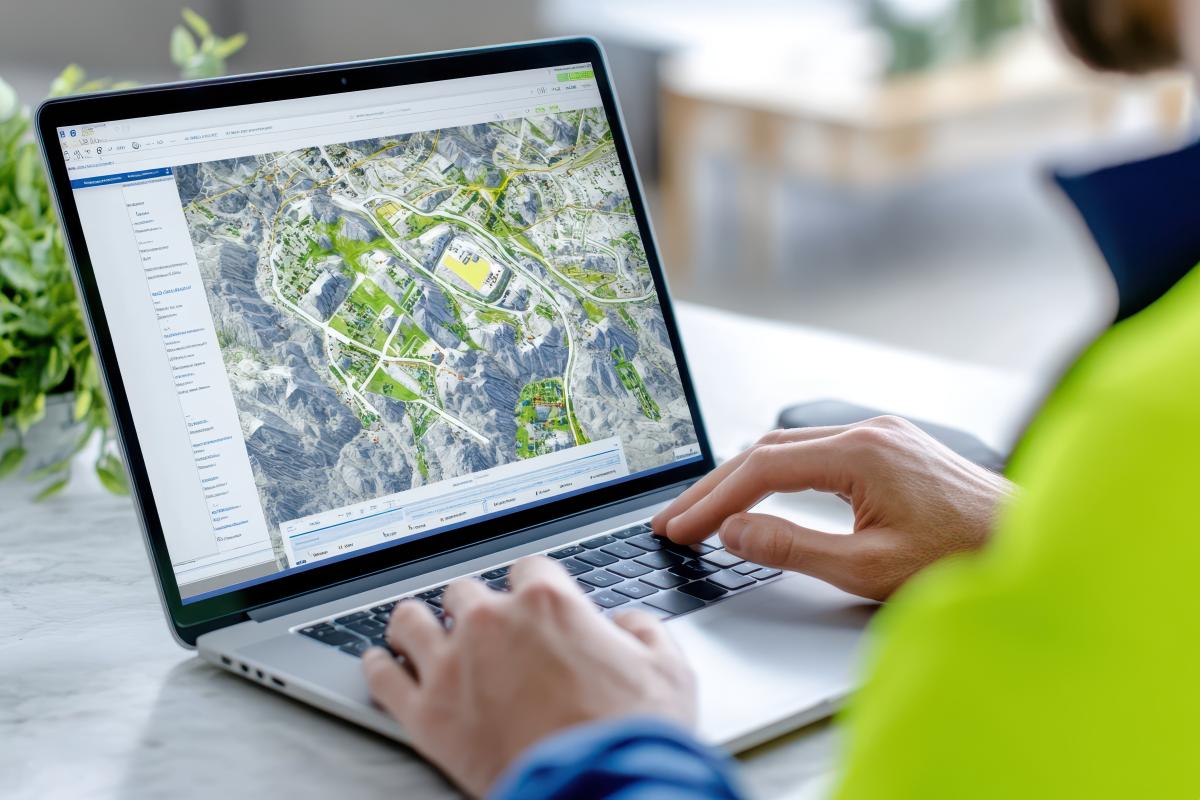

SBTi FLAG v1.2 took effect in March 2026, introducing mandatory no-deforestation commitments across seven commodities for all 2026 target submissions.
Concurrently, the EU Deforestation Regulation requires large operators to demonstrate deforestation-free supply chains by 30 Dec 2026.
Industry-average data no longer proves farm-level compliance. This challenge is often largest in commodities and regions where land-sector emissions are highest.
Upgrading to farm-level primary data is essential for future for validation and assurance.
Replace industry averages with farm-level primary supplier data.
Align your targets with FLAG v1.2 and no-deforestation requirements.
Deploy verified insetting projects that generate farm-level reductions.
South Pole helps organisations move from industry-average land-sector reporting to farm-level evidence and verified reductions.
We help leading FMCG companies deliver land-sector targets and supply chain action.
Our team brings on-farm expertise across cocoa, coffee, dairy and palm oil supply chains.
As a delivery partner to SBTi FLAG and the AFi standards, we are perfectly placed to help you meet them.
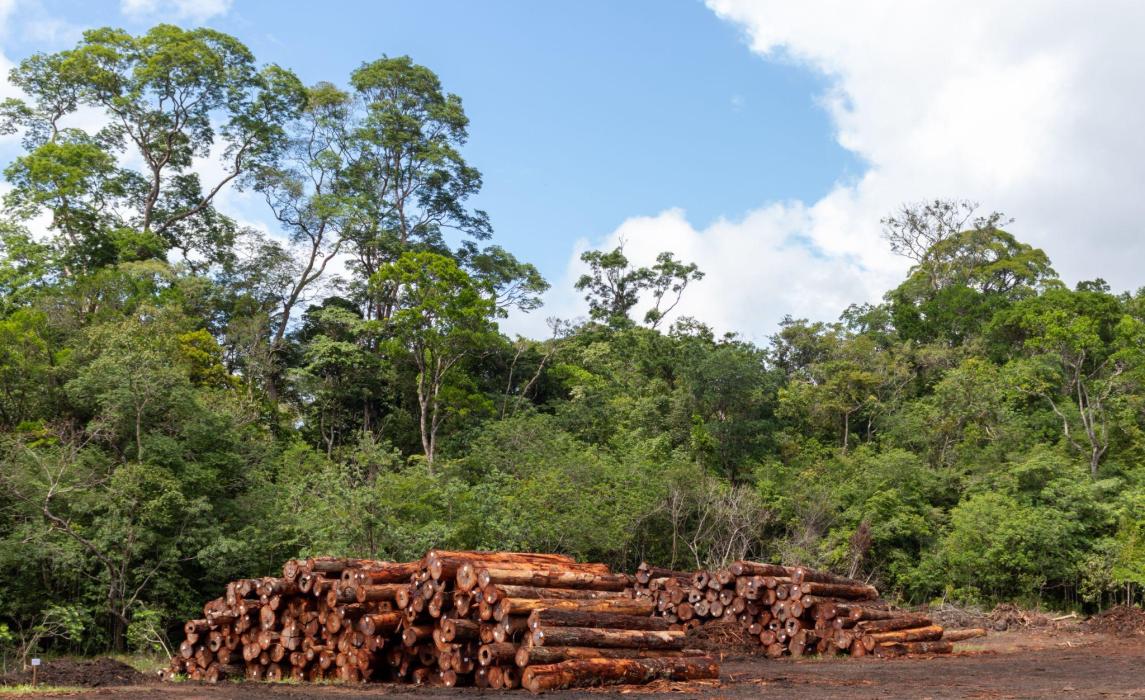
Most FMCG organisations still rely on industry-average data that cannot distinguish between suppliers, demonstrate deforestation-free origin, or support FLAG validation.
We help you move from broad estimates to farm-level primary data data auditors and regulators can verify.
What you get:
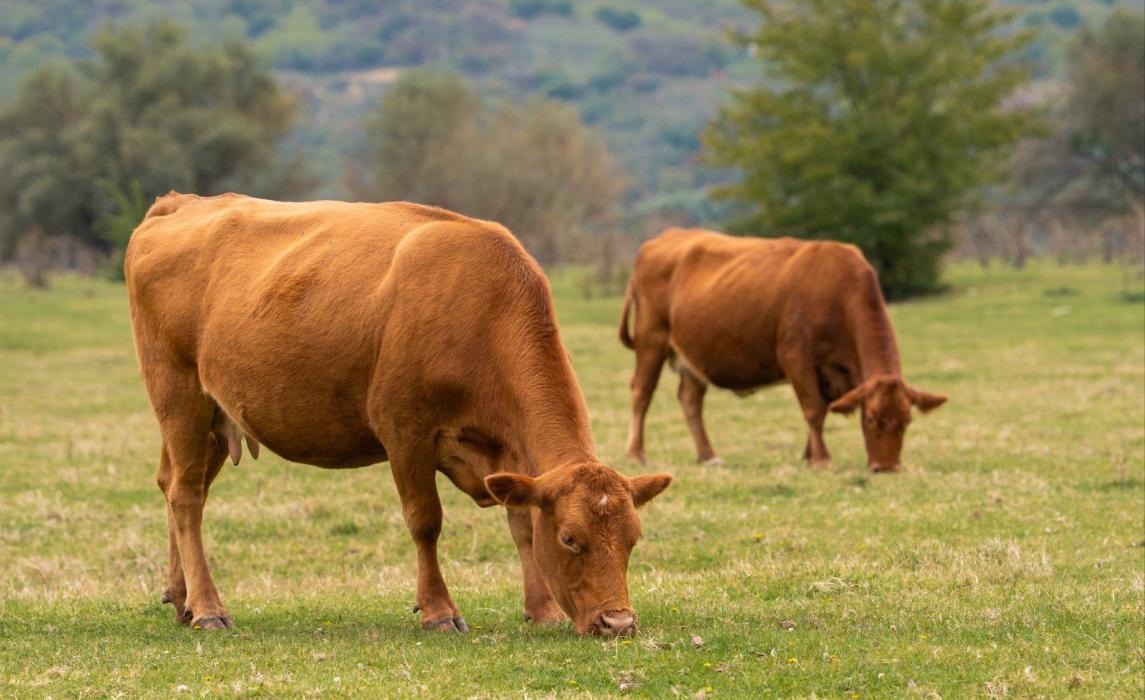
FLAG v1.2 introduced mandatory no-deforestation commitments across seven commodities: cattle, cocoa, coffee, oil palm, rubber, soy and timber.
If your company has existing science-based targets but no FLAG target, we help you incorporate land-sector requirements in your next target review, helping you navigate evolving requirements with confidence.
What you get:

With a FLAG target set, the next step is on-farm implementation.
We support you to achieve land-sector reductions through practical interventions such as regenerative agriculture, agroforestry and improved land management.
All programmes are designed around the realities of each commodity and supported by robust measurement and ongoing monitoring and verification.
What you get:
Moving to farm-level data now gives your organisation the evidence needed to support compliance, demonstrate progress and strengthen land-sector claims.
Organisations without appropriate traceability may face growing challenges in demonstrating alignment.
Starting Dec 2026, large operators must demonstrate deforestation-free supply chains.
South Pole’s FLAG learning library brings together the expertise of our global team in one place
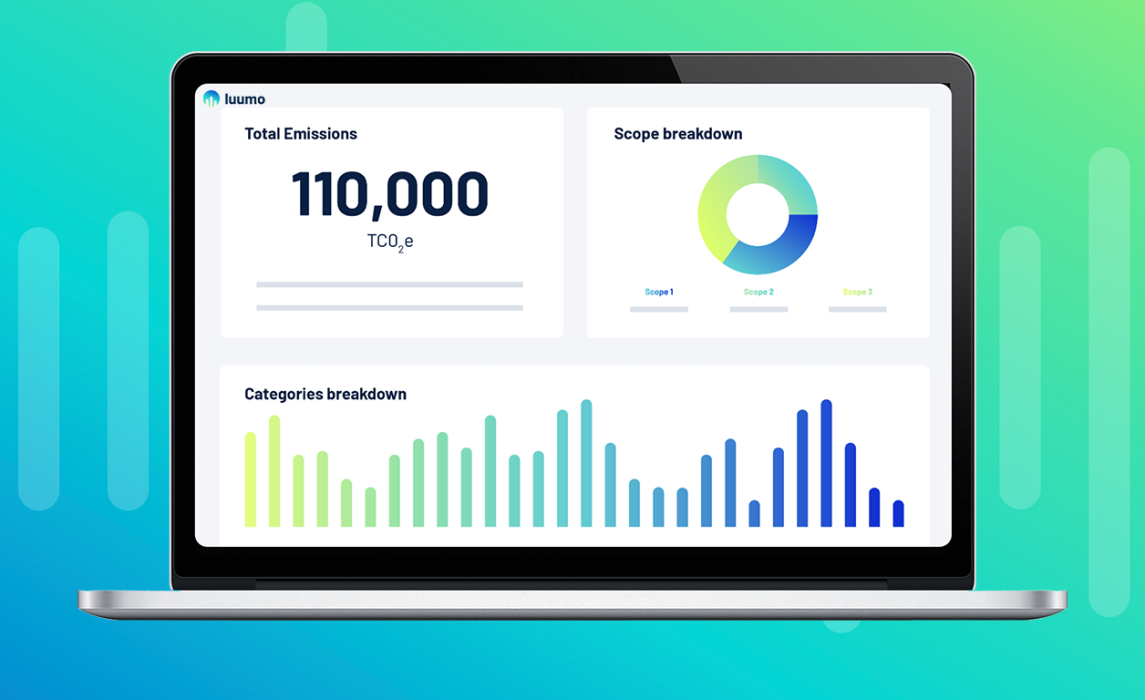
Our digital platform, Luumo, gives you insights and tools for emission footprinting, reduction roadmaps and risk modelling including scope 3, supported by experts every step of the way.
We help companies act on the climate challenges most tied to risk, cost, compliance and execution.
Build climate disclosures that stand up to audit, regulators and board scrutiny.
Set targets and transition plans that are credible, fundable and deliverable.
Strengthen energy procurement, improve price certainty, and deliver on Scope 2 goals.
Use high-integrity carbon credits as part of a risk-managed approach to climate action.
Secure ICAO-approved emissions units and build a compliant, diversified procurement strategy.