Capturing biogas from wastewater to generate sustainable electricity
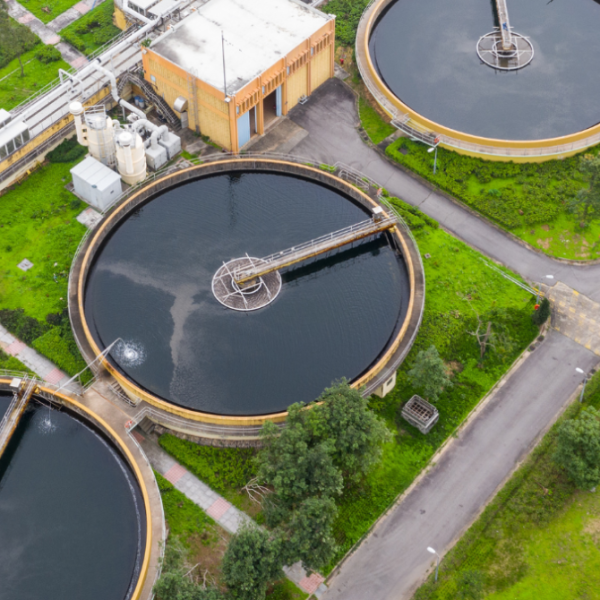
In Thailand, most wastewater treatment systems are open lagoons, a low-cost option used in tapioca starch production. Open lagoons give off odours that affect nearby communities. As the wastewater breaks down, they release methane, a potent greenhouse gas, while starch factories commonly burn fossil fuels for heat.

To learn more about the Sustainable Development Goals verified by the standard for this project, please check the project's registry link above.
The project introduces three covered anaerobic lagoons at a tapioca starch factory in Surin Province, capturing biogas from its wastewater instead of letting methane escape. The biogas fuels the factory's boiler and four gas engines that generate electricity on site, with carbon finance helping make the investment viable.
By capturing methane and replacing fossil fuels, the project reduces greenhouse gas emissions from starch production. Covered lagoons aim to cut odours and improve air quality for nearby communities. It has also created jobs for local workers in construction and operation, supporting the regional economy.