Encouraging sustainable production and cutting methane emissions by repurposing wastewater
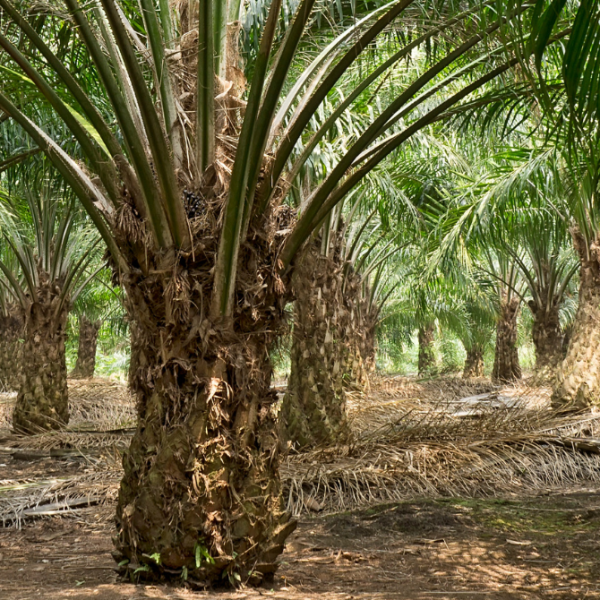
Malaysia is the second-largest palm oil producer in the world. While it's vitally important to the local economy, producing palm oil creates large amounts of wastewater that contains huge quantities of organic matter. When stored in open lagoons, this wastewater emits harmful methane gas into the atmosphere, that directly contributes towards climate change.

To learn more about the Sustainable Development Goals verified by the standard for this project, please check the project's registry link above.
This project aims to reduce the negative impacts associated with palm oil production by introducing an anaerobic loop system, that covers the factory's wastewater lagoons and captures potent greenhouse gases. Where the methane would have polluted the local environment, it is instead turned into green energy which is used to power the factory. Any additional energy that is produced is fed back to the national grid, displacing fossil-fuel generated energy.
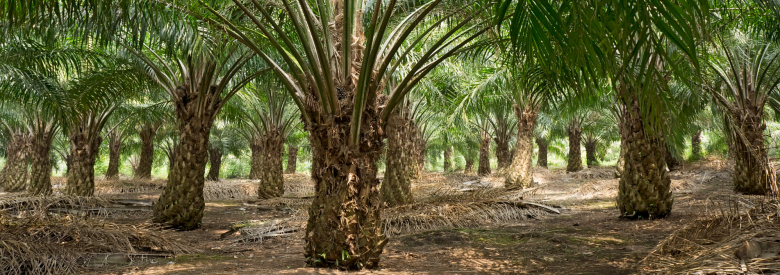
This circular production is both environmentally sound and cost-effective. It reduces reliance on fossil-fuel-dominated electricity; while treating the wastewater as well as providing clean energy and fertiliser that can be reused. For the community, training opportunities are created, boosting economic development, whilst capturing harmful gases improves air quality and nasty odours.