
The carbon market is evolving and maturing at a fast pace, with a growing focus on integrity. Following our last blog post about how key players are shaping the definition of high-integrity carbon credits, this second piece dives into navigating the benefits and challenges of different project types and how to select the most suitable carbon credits for your portfolio aligned with your climate goals and commitments, budget, integrity requirements, amongst other criteria. This will enable you to make confident investments that truly deliver positive climate impact.
While their primary goal is to reduce or remove greenhouse gas emissions, carbon projects often generate profound social and environmental co-benefits that go far beyond climate action. These positive impacts can include creating local jobs, protecting biodiversity, improving public health and empowering women in communities. Supporting a wide range of projects not only adds resilience to your portfolio but also allows you to contribute to a broader set of global development goals.
At its heart, a high-quality carbon credit is one where the underlying project is proven to be real, additional, measurable, verified, permanent and unique, while causing no harm to local communities or ecosystems. These foundational principles of quality are upheld throughout the entire lifecycle, particularly during the project design and permanence, which includes long-term monitoring after the crediting period ends, as applicable.
Some important considerations for any buyer of carbon credits should centre around the following quality criteria:
Due to their varied methodologies and implementation considerations, different project types have distinct common benefits and challenges. Understanding these nuances is key to building an effective portfolio, alongside conducting due diligence projects by projects for a more complete view. Here is a short overview of the common challenges and benefits of different project types.
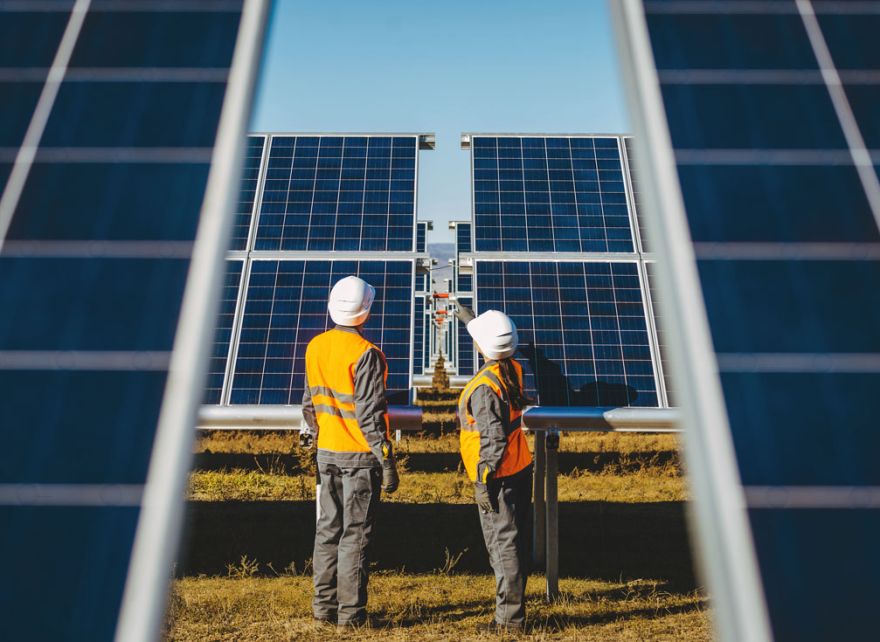
These projects generate clean electricity from sources like wind, solar, hydro power and geothermal. They contribute to a national grid's decarbonisation and support economic development by creating local jobs. Historically, renewable energy projects were widely considered additional, but as technology costs fall and financing improves, they are facing increased scrutiny regarding their additionality in today's context . Major carbon standards have tightened their eligibility criteria for these projects since 2019/2020, sometimes limiting eligible locations to Least Developed Countries.

These projects introduce clean technologies like improved cookstoves, biodigesters and safe water initiatives into homes. In addition to their climate benefits, they generate substantial co-benefits, such as reducing indoor air pollution for better health, decreasing household fuel costs to alleviate poverty and empowering women by freeing up time spent on fuel collection.
While generally having strong additionality, these projects sometimes face challenges in carbon accounting integrity due to monitoring complexities and uncertainties related to the fraction of non-renewable biomass (fNRB). The fNRB represents the proportion of firewood harvested that exceeds the regeneration rate of a given area. There is an ongoing sector-wide debate regarding the appropriate approach for defining fNRB values. In June 2025, the UNFCCC approved new national fNRB default values. It is expected that these values will be adopted more widely across the sector, leading to more conservative emission reduction estimates.

By restoring forest ecosystems, these projects remove carbon from the atmosphere. They provide multiple benefits, including conserving biodiversity, improving soil and water quality and creating local jobs. Community-based projects generally have high additionality; however challenges regarding permanence may arise given the dependency on local community engagement and/or the lack of resources for sophisticated fire prevention measures. Commercial ARR projects may sometimes face additionality challenges depending on their reliance on carbon finance. Their overall integrity is based on robust project design and ongoing monitoring.

These projects prevent deforestation and forest degradation. They deliver crucial benefits for biodiversity and local communities, including protecting endangered species and providing alternative livelihoods. They generally have high additionality but sometimes face criticism regarding carbon accounting. Verra's new methodology VM0048 introduces a new approach to baseline setting and project monitoring, which is considered to be more robust and expected to strengthen the carbon integrity of REDD+ projects.
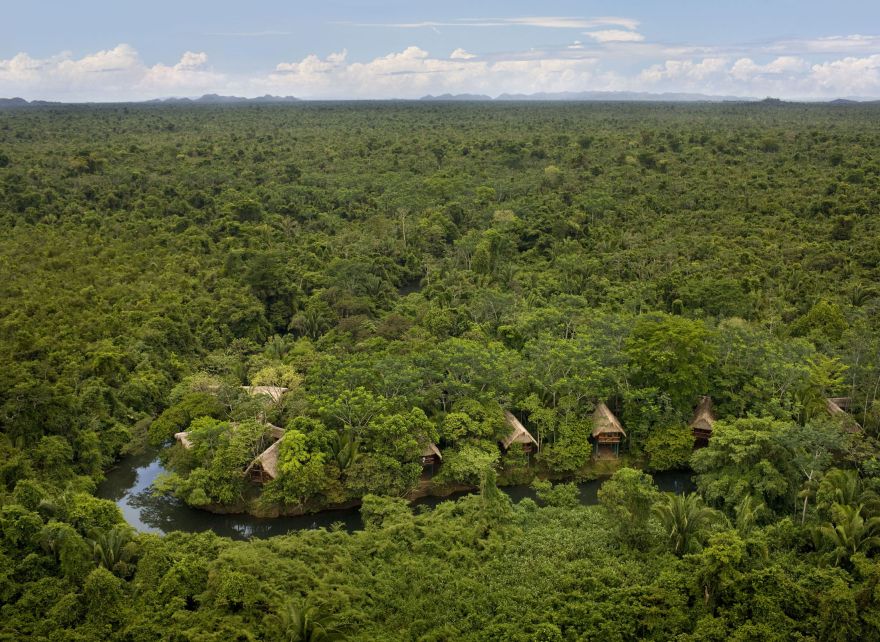
These projects enhance the amount of carbon stored in forests through sustainable management practices. They provide benefits by generating both avoided emissions and carbon removal credits while helping to maintain healthy ecosystems. Their additionality can vary depending on the specific activities implemented and they may sometimes face carbon accounting challenges related to baseline uncertainties and potential for leakage.
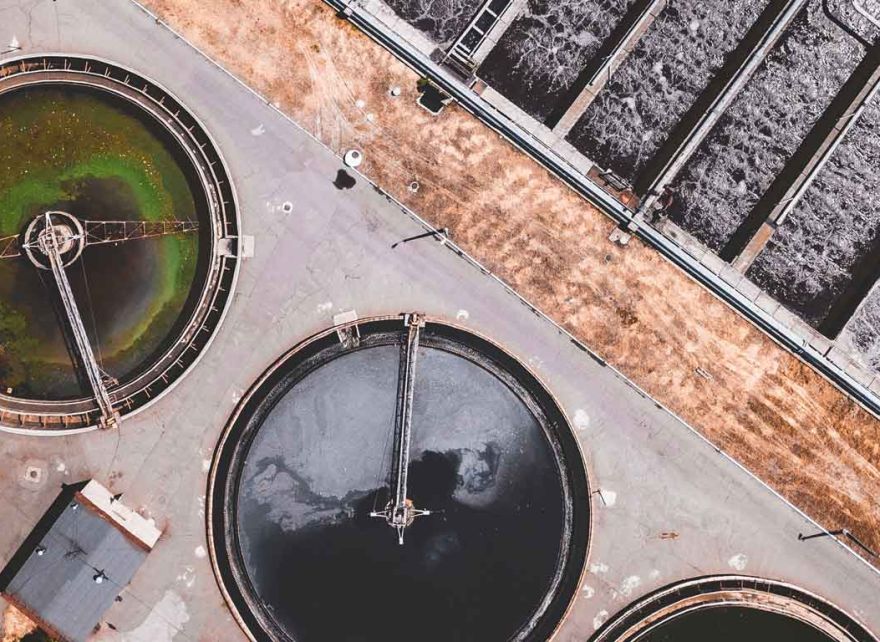
Methane projects play a crucial role in climate change mitigation by capturing and utilising methane, a potent greenhouse gas, from two primary sources: decomposing waste in landfills and organic matter in wastewater. Both landfill gas (LFG) projects and wastewater treatment projects not only reduce emissions but also generate significant co-benefits, like providing clean energy. While generally viewed as having lower integrity risks, both project types face specific challenges.
For LFG projects, additionality can be a concern if the project also generates revenue from electricity sales. They also face carbon accounting risks from using default factors that may not accurately reflect site conditions, potentially leading to over-crediting. Wastewater projects are generally considered to have a low risk of over-crediting and leakage. However, their additionality is under increasing scrutiny. As regulations and funding for wastewater management improve, it's becoming harder to prove that these projects wouldn't have happened anyway. For both project types, there are also accounting concerns related to the baseline grid emission factor for projects that generate electricity.
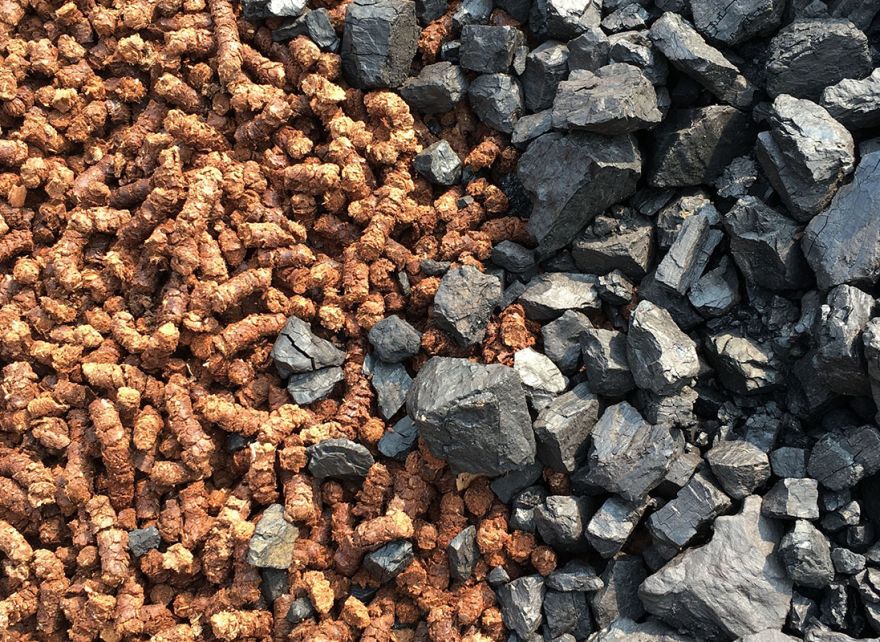
This technology-based solution produces a stable, carbon-rich material from biomass that can be added to soil for long-term carbon sequestration. It provides benefits such as improved soil health, increased crop yields and reduced fertiliser use. Biochar projects have high confidence in permanence and are building integrity through the refinement of methodologies that ensure accurate lifecycle assessments and clear additionality criteria. Additionality challenges arise primarily in contexts where the economic or agronomic incentives for biochar production and use already exist, meaning that carbon revenues may not be the primary driver for project implementation.
This is especially relevant in regions such as Europe, Asia and the United States. In contrast, projects in regions including South America and Africa often rely heavily on carbon finance to offset high startup costs and uncertain market conditions. Carbon accounting risks remain due to the early stages of methodologies and the technical complexity of quantifying net climate benefits. As biochar methodologies mature, the sector is moving toward greater standardisation in measurability, conservativeness and consistency across projects.
Given that different project types have varying benefits and integrity considerations, how do you make the right choice? It comes down to building a diverse, resilient portfolio of carbon credits aligned with your climate goals, budget and appetite for different levels of integrity. Consider these three key factors:
This handy checklist will guide you to understand what to ask before purchasing carbon credits. It’s worth noting that not meeting one of the criteria within the checklist does not necessarily disqualify a project. The final decision depends on your credit preferences, price sensitivity, risk tolerance and ability to manage risks. Quality and integrity aren’t about avoiding risk, they’re about managing it well.
Project type:
Standard applied?
Core Carbon Principles (CCP) label:
Additional quality checks:
Third party rating:
Ultimately, understanding and supporting integrity is at the core of a thriving carbon market. A diverse portfolio includes a variety of credits from different project types and locations. In addition to building resilience, this strategy allows you to support a wider range of climate solutions and a broader set of co-benefits, enhancing your overall positive impact and strengthening your climate action. By asking the right questions and looking beyond just the price tag, you can build a portfolio that drives positive climate impact and helps create a more sustainable future for all.

Reach out to one of our experts to learn more about South Pole's commitment to integrity and transparency and how this is reflected in our quality management approach applied to our carbon projects.