Cutting local pollution, reducing GHGs and boosting local economy
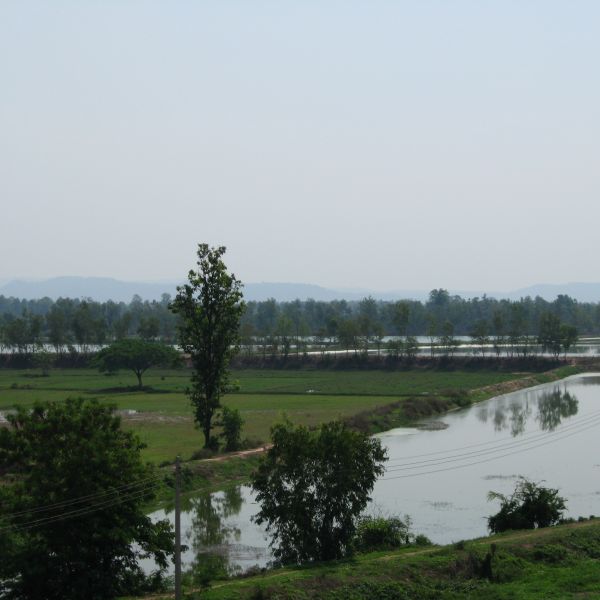
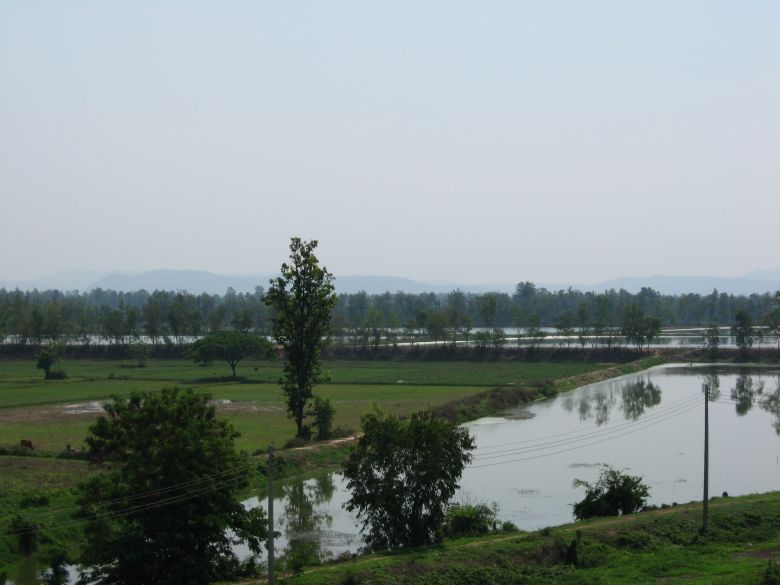
Just a few years ago, Thai village inhabitants, of the Huai Phueng district, lived amongst odorous wastewater lagoons that were generated by a local starch plant. To deal with its leftover effluent the starch plant treated wastewater through a series of cascading open lagoons. Due to the combination of atmospheric temperature, water temperature and the vast body of wastewater - an anaerobic environment was developed in the ponds, which led to the release of large quantities of methane - a greenhouse gas 25 times more potent than CO2.

To learn more about the Sustainable Development Goals verified by the standard for this project, please check the project's registry link above.
Located in eastern Thailand, the project involves the treatment of wastewater generated from the starch factory in the Huai Phueng district. Transitioning away from using open lagoons to treat waste water, the plant has implemented machines named biodigesters, which recover methane released by the plant and converts it into biogas that can be reused as energy in the factory.
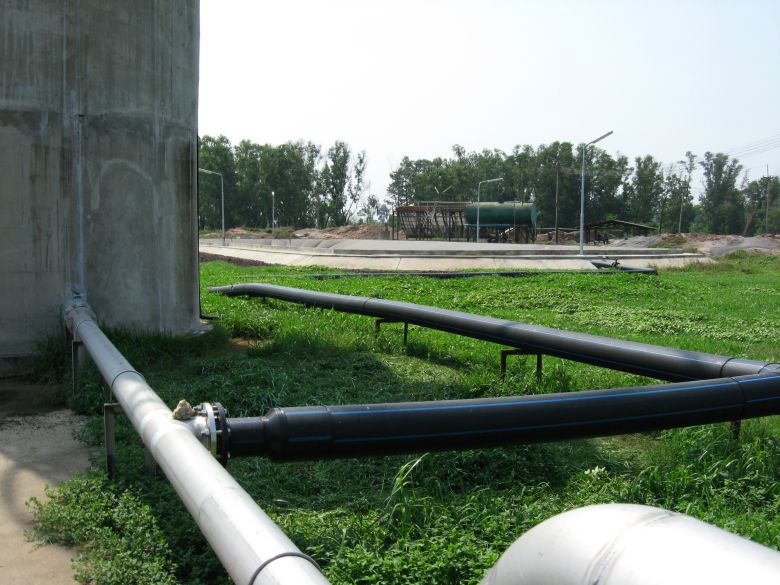
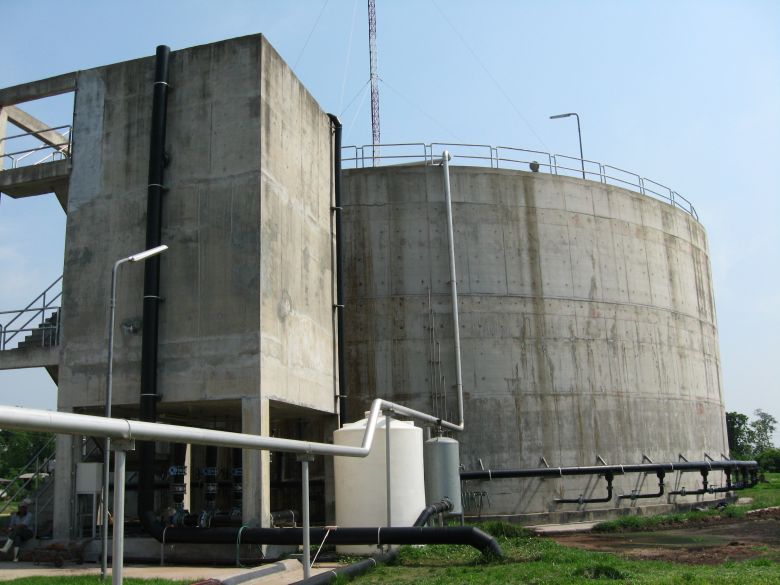
Not only does the project prevent the release of GHG emissions generated from wastewater - it additionally replaces fossil fuel generated energy that is consumed by the factory, thus cutting global emissions from multiple angles. Local pollution is consequently minimised, having a positive effect on the livelihoods of local communities. New jobs have been created, with free annual medical checks for the employees. In addition, the project and the resulting carbon revenues allow for supporting social and educational activities such as scholarships for local students to foster sustainable development.