The agreement established a framework to scale up climate finance. However, the outcome has generated mixed reactions, with the final text not moving as far as many had hoped toward phasing out fossil fuels and protecting forests.
Yet, at COP30, the Paris Agreement demonstrated resilience. Perhaps more than at any previous summit, this COP revealed a stark contrast between a political process facing major headwinds and the sustained mobilisation of economic and social actors to keep momentum. Climate action is like riding a bike - we need to keep going, not to lose balance.
In this blog, we break down the key outcomes from COP and what they mean for climate finance, carbon markets, and corporate decarbonisation.
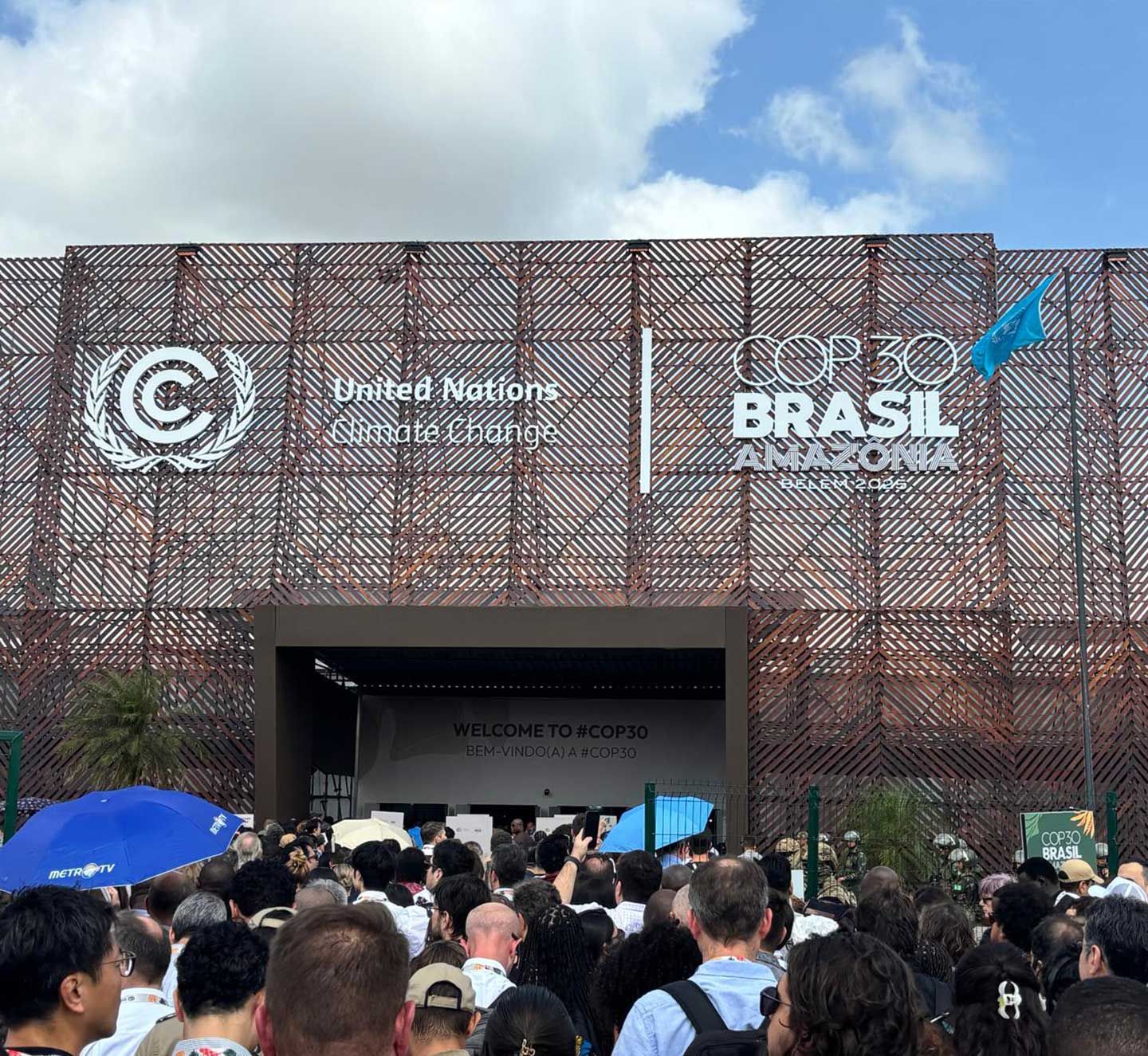
This year in Belém, both expectations and temperatures were sky-high. With the first Amazonian COP held in a year of record heat, this summit came with real urgency and a sense that progress on nature, adaptation finance, carbon markets, and a continued shift away from fossil fuels was urgent.
Early into the summit, Brazil's Presidency set a collaborative tone with its “Global Mutirão" draft – a rallying call for countries to pull together and accelerate collective action. Two weeks of negotiations later, while not every ambition made it into the final text, COP30 still saw meaningful steps forward: from new momentum on forest finance to the Belém Declaration for Green Industrialisation.
The final adopted text calls for mobilising at least $1.3 trillion per year by 2035 for climate action and operationalising the loss and damage fund agreed at COP28. Instead of a firm commitment for finance, the final text landed on softer language, “calling for efforts" to triple adaptation finance by 2035 – five years later than earlier drafts had proposed. This would take the much-needed annual adaptation spending to around $120 billion, sitting within the wider COP29 pledge to mobilise $300 billion per year in climate finance.
After the negotiations closed and the final text was settled, the COP President further pledged to begin developing two roadmaps in 2026. One for ending deforestation and the other for a just transition away from fossil fuels – a response to mounting pressure from over 100 countries collectively. Colombia and the Netherlands then later announced they will jointly convene the first International Conference on the Just Transition Away from Fossil Fuels in Santa Marta, Colombia, in April 2026.
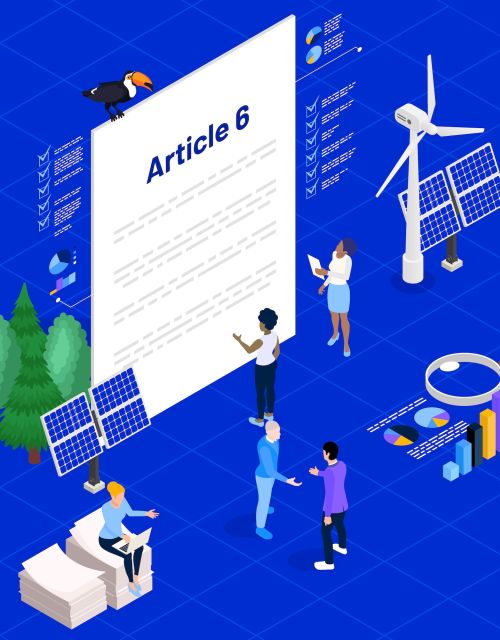
Carbon markets gained significant momentum throughout COP30, one year after the finalisation of the Article 6 rulebook at COP29 in Baku. Funding for the Paris Agreement Crediting Mechanism (PACM) was secured, making PACM fully operational, notably thanks to the adoption of the first methodology for carbon project developers earlier this year.
Finance discussions increasingly recognise Article 6 as a critical channel for climate finance, notably to help halt deforestation and phase out fossil fuels. The message across panels and events was clear: while not a silver bullet, carbon markets are credible, scalable and ready to deploy finance where it's needed most.
The momentum was anchored by the launch of several high-profile initiatives, including the Presidency-led Coalition to Integrate Carbon Markets and the Scaling J-REDD Coalition. Furthermore, the Coalition to Grow Carbon Market's Shared Principles for Growing High-Integrity Use of Carbon Credits were endorsed by a further six governments at COP30. This takes the total number of governments endorsing these shared principles to 11, including the UK, Singapore, Kenya, Canada and Switzerland, to name a few.
The time has come to double down on implementation, moving from piloting to scaling. The very short-term challenge is supply, especially for CORSIA compliance. But for significant investments in emission-reduction and removal projects today, there is a need for a long-term demand signal. The upcoming revision of the European Climate Law, which could see the EU meet part of its 2040 climate target using Article 6 credits, represents a vote of confidence for carbon markets. It is also encouraging to see that the majority of NDCs submitted to date plan to use Article 6.

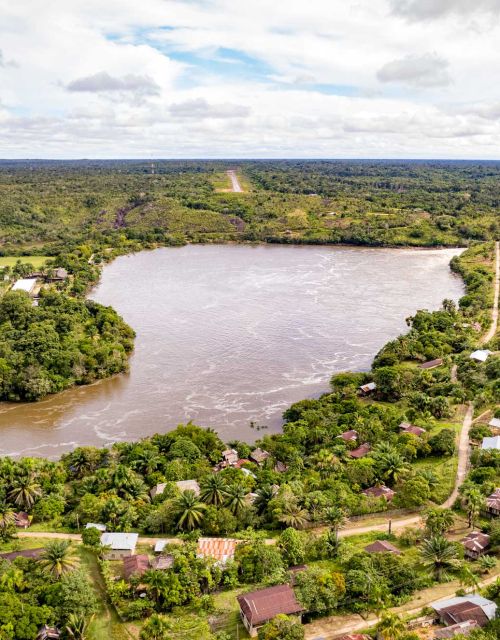
Naturally, forests were a focal point for negotiations. According to The Nature4Climate Coalition, nature-based solutions are increasingly embedded in the latest wave of 2025 NDCs. Thousands of nature-based projects already benefit from carbon finance. Countries are also being rewarded for protecting forests through the use of blended finance, including high-integrity projects, through a major development for forests. At COP30, the flagship Tropical Forest Forever Facility (TFFF) was launched. It reaffirmed that protecting forests is not only an environmental priority but a core pillar of global economic stability, climate resilience and livelihoods.
Among other coalitions launched this year, which South Pole is proud to support, was the Scaling J-REDD coalition, a new effort to expand high-integrity forest carbon finance. South Pole also signed a Letter of Intent with Fairatmos to support the scale-up of nature-based solutions in Indonesia.
While this topic did not dominate the plenary floor, its most significant outcome unfolded in the corridors: at least $9.5 billion in new finance was pledged by countries including Norway, the Netherlands, Germany, Brazil, Indonesia, Portugal and France, showing that voluntary coalitions can mobilise capital outside of the formal negotiating track.
Although this falls short of the Facility’s $125 billion goal, it represents meaningful early traction and is designed to unlock greater contributions over time, including from private-sector investors.
Amidst the hotly debated outcomes of COP30 in Belém, the gathering has undeniably boosted momentum for carbon markets; we have seen an increasing recognition that it will be impossible to mobilise the expected finance without them.
Building a high-integrity marketplace takes time, but the signals are positive. The growing number of bilateral agreements and NDC submissions that prioritise Article 6 confirm that these markets are critical to global decarbonization. The focus has sharply shifted to operationalising the Article 6 Rulebook.
The infrastructure is built and action is already taking place on the ground in spite of tepid political signals in some regions. The conversation has shifted to accelerating the implementation to deliver on the full potential of international cooperation through markets.


As one of the world's most experienced experts in carbon asset development and the company that helped facilitate the world's first Article 6 transaction, South Pole is well placed to support your climate journey.