Ten years ago, 196 countries – from small island states to global superpowers – came together to sign the Paris Agreement. The first of its kind global accord to unite nations to limit global warming.
This historic show of unity sent a clear signal: global decarbonisation and a habitable planet are two sides of the same coin. COP30 and the 10-year anniversary of that milestone marks an inflection point for carbon markets and climate finance.
The hard truth, detailed by the UNFCCC’s 2025 NDC Synthesis report, is that we are behind. The report reveals an ambition gap: scientists state that we need a 60% reduction of global emissions by 2035 to reach the goals of Paris, but current country climate commitments will lead to a 17-24% reduction in that same period.
However, if you zoom out, important gains have been made. Many low-carbon solutions are winning on cost and efficiency. The role of carbon markets in this transformation has been significant, driving finance to early-stage technologies to make them financially viable. They have acted as an accelerant when other forms of finance were not available.
It’s essential to distinguish between the "noise" of heated debates and the "signal" of real-world change – more resilience, innovation, and competitive edge gained through climate interventions. And that signal is strong.
The structural shifts in the low-carbon economy since 2015 are undeniable and remarkable. Before Paris, the global decarbonisation landscape was fragmented and slow-moving. Today, 140 countries, representing 75% of global emissions, are operating under net-zero commitments, according to the Net Zero Tracker.
A decade ago, corporate climate action was largely voluntary and niche. Today, it is a core pillar of business strategy. Over 8,000 companies have had their decarbonisation roadmaps validated under the Science Based Targets initiative (SBTi).
But the single most important signal is the economic and technological transformation. Low-carbon solutions are now more efficient and competitive than their fossil-fuel counterparts. Solar and wind eclipsed fossil fuels to become the cheapest forms of new energy in most of the world.
Financial institutions are taking notice and continue to back investments in green infrastructure, increasing their exposure to climate-resilient assets. The majority of financial institutions (73%) look to their portfolio companies to have carbon credit strategies, according to South Pole’s 2025 Net Zero Report.

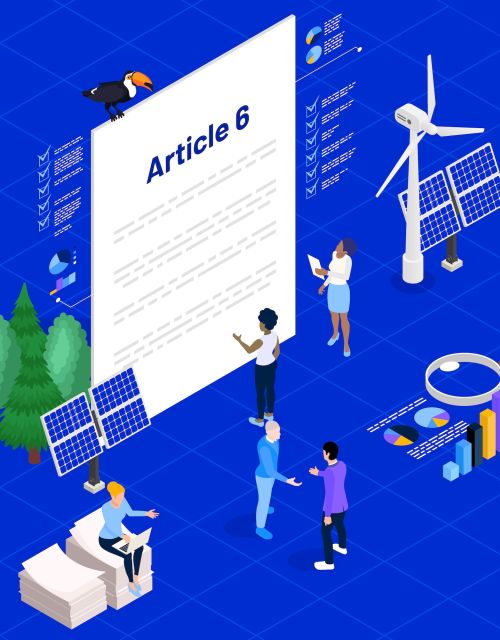
One of the most significant developments of last year's COP29 was the finalisation of the "rulebook" for Article 6.
In the year since the rules were agreed, we’ve seen a surge of activity. The overwhelming majority of new NDCs submitted this year include plans to use Article 6. Nearly one hundred bilateral agreements facilitating Article 6 trading are now in place globally.
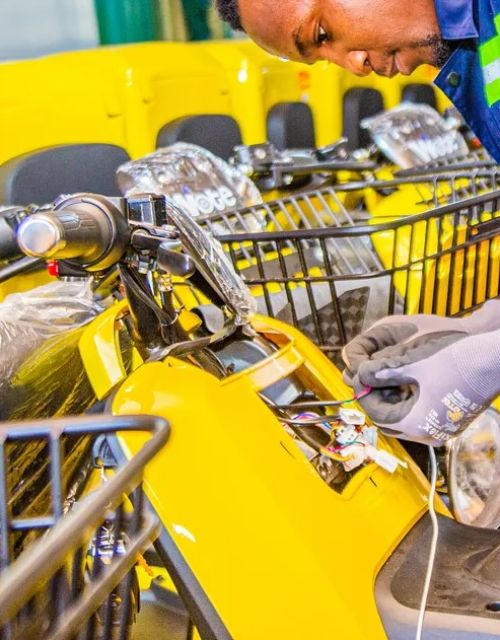
South Pole’s Article 6 experts have hit the ground running by working as a carbon asset developer for the first Asian Article 6 project that will finance 2,000 electric buses in Bangkok, aiming to avoid 500,000 tCO2 by 2030. In addition to this, South Pole is providing end-to-end technical and commercial support to the Article 6 transaction between the Swedish Energy Agency and a leading electric vehicle company in Ghana, Solar Taxi ltd. South Pole is developing projects across 3 continents.
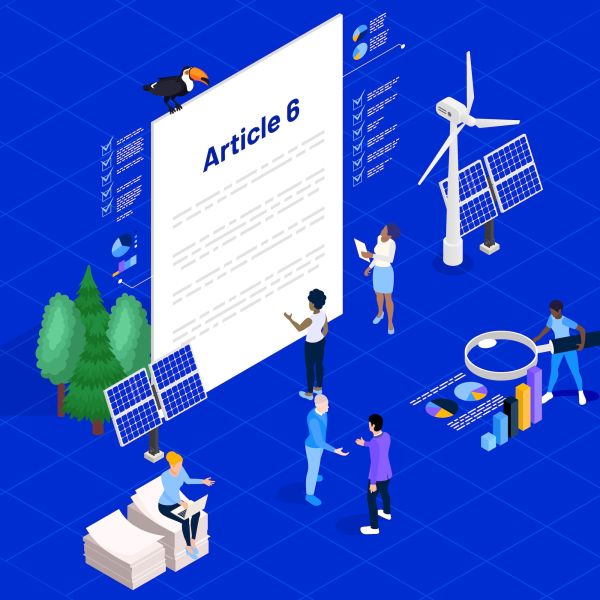
This 20-minute guide explains Article 6 of the Paris Agreement, why it is important, how it helps countries and companies meet their climate targets, and more.
We are proud of our contribution over the past decade, consistently striving to advocate for higher standards and improved environmental integrity in carbon markets and climate finance, as the market continues to evolve. Our work has focused on turning the promise of Paris into a low-carbon economic reality.
From the early market foundations, South Pole has helped drive a number of ‘firsts’ to innovate, improve, and scale the market. Our team has been part of developing essential methodologies to measure emission reductions, with a focus on opportunities in the global South – from the first-ever Gold Standard Certified Emissions Reductions (CERs) in the Malavalli project in 2006, to co-authoring the first globally approved methodology for the utilisation and application of biochar under Verra's VCS in 2022.
We also co-founded NextGen, the world's first procurement fund for high-quality carbon removal credits. NextGen is designed to scale the market for long-term carbon removals, providing crucial revenue to innovative technologies we need to scale quickly.
The Brazilian COP Presidency's focus on delivery and impact is precisely correct. The foundation has been laid, with the conversation firmly focused on how to achieve net zero as quickly as possible.
The decarbonisation conversation is now focused on the how and how fast. We know carbon markets act as that accelerant. The UNFCCC, governments and standard setters have built the infrastructure. Now we need to iterate and create the right conditions for the private sector to turn on the tap.
At COP30, we are seeing a strong show of support for carbon markets. The Article 6 rulebook will not be reopened for negotiations. Nonetheless, essential discussions and initiatives will forge ahead to ensure that national policies can work together and avoid fragmentation among buyers, regulators, and countries hosting projects. We expect carbon markets to go mainstream and become a more significant part of the broader climate finance action agenda.
For businesses, the path forward is clearer than ever. The transition to a low-carbon economy is an opportunity now – and a liability in the future, if ignored.
The next phase of climate action will be defined by collaboration, speed and bold execution. The signals all point in one direction. This inflection point is not a time for hesitation, but for ambition, innovation, and decisive leadership.

10 Years Post-Paris: South Pole is on the ground for the most critical COP yet. Follow our experts' insights from COP30 Brazil on finance, Article 6, and Net Zero 2050.

As one of the world's most experienced experts in carbon asset development and the company that helped facilitate the world's first Article 6 transaction, South Pole is well placed to support your climate journey.