


Improving ways of cooking while respecting local traditions
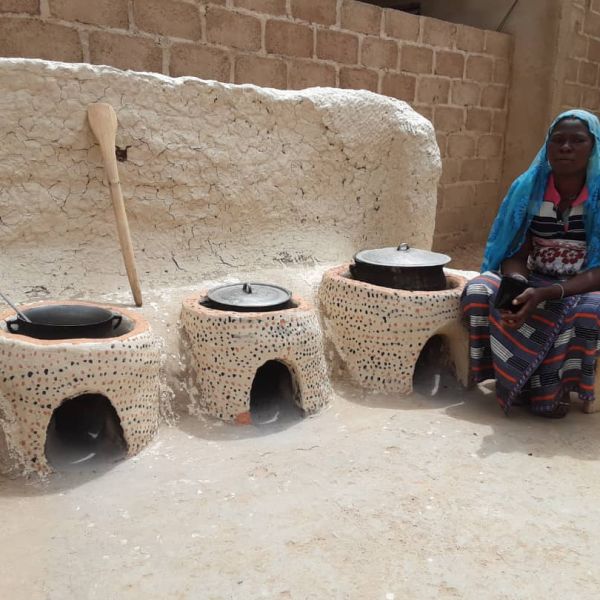
In rural Burkina Faso, households heavily rely on firewood for cooking, with usage reaching 95%. Cooking with traditional cookstoves, which have a very poor thermal efficiency, has resulted in more than 5,000,000 tonnes of wood being used as fuel every year. This has led to a strong degradation of natural resources, particularly woody plant resources. In addition, the growing population in the country, especially in the North Region, contributes to household poverty and food insecurity.
To learn more about the Sustainable Development Goals verified by the standard for this project, please check the project's registry link above.
The main objective of the project is to mitigate the effects of climate change and reduce poverty among rural households by promoting the use of improved three-stone cookstoves that are more efficient in wood fuel consumption. The project promotes the distribution and utilisation of the mud-made 3 stones efficient woodstove “F3PA”.The efficient F3PA cookstove will replace the traditional open air cooking method whilst respecting the local three-stone cooking culture. This is possible as the efficient F3PA cookstove will integrate the three stones from each household inside its design. The project hopes to enhance energy efficiency by reducing cooking wood consumption in rural areas.
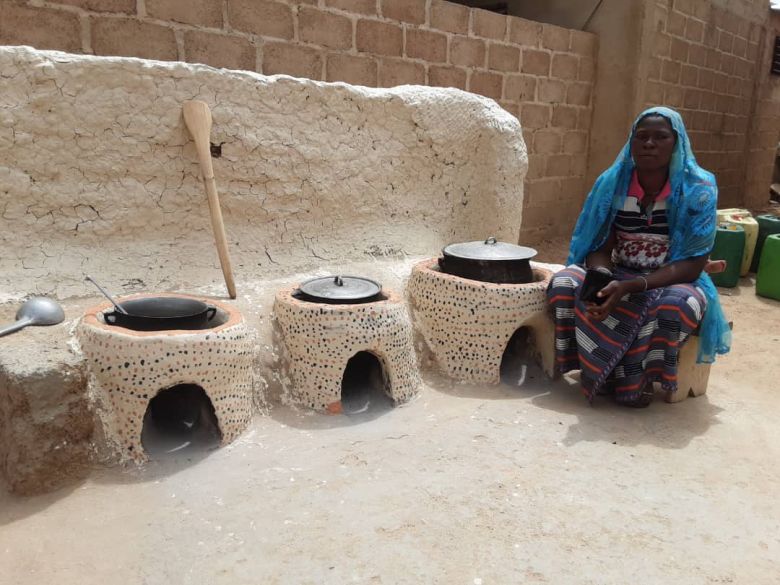
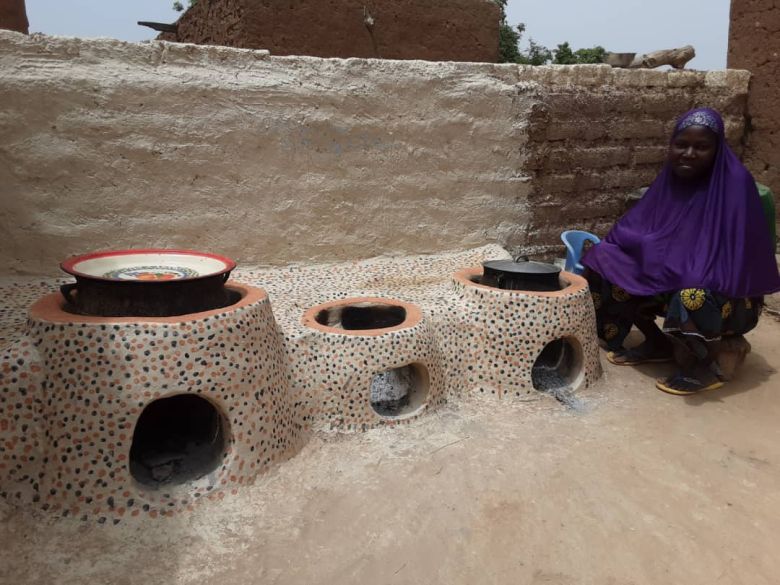
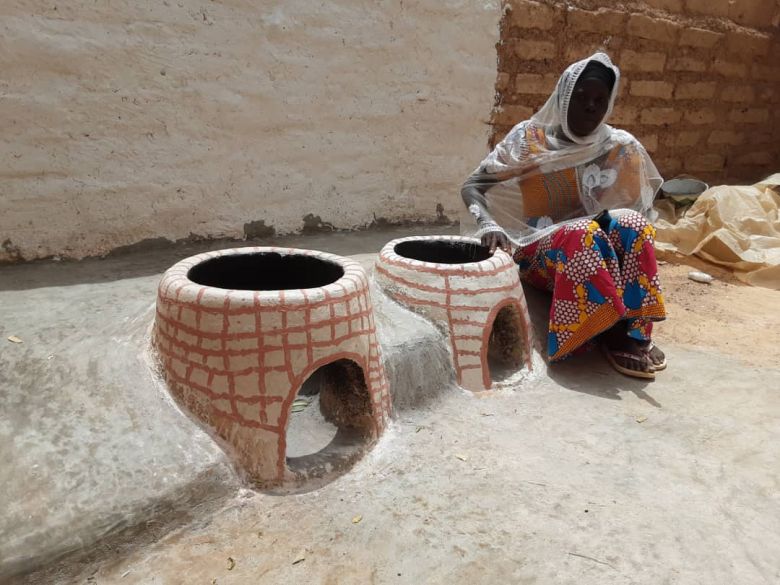
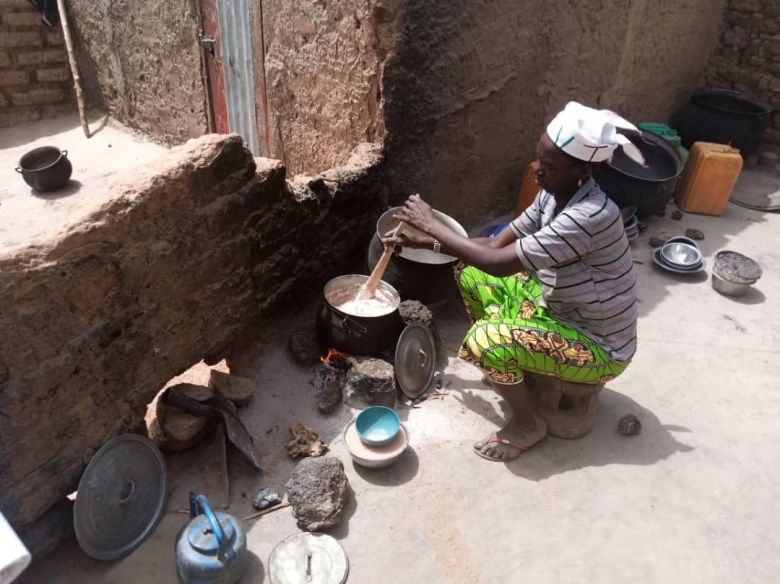
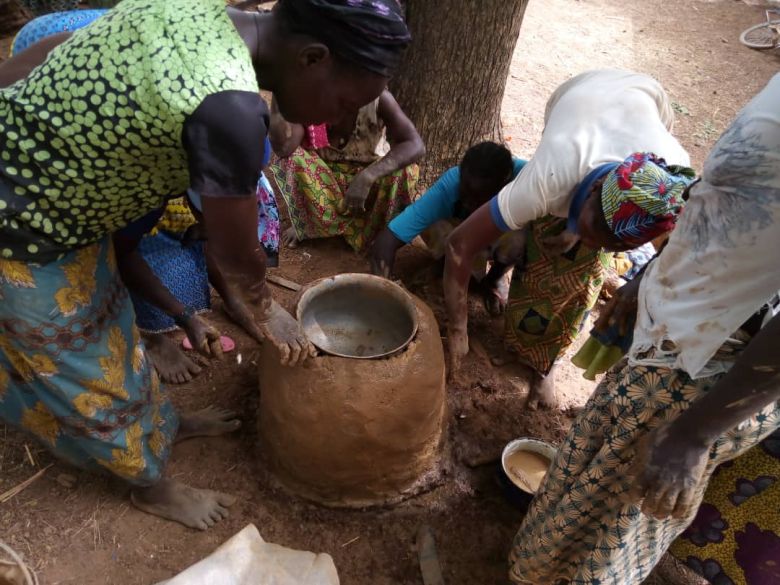
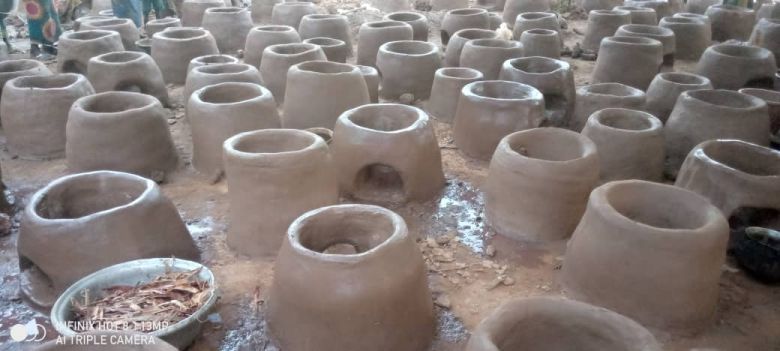

The project aims to reduce wood consumption by more than half in each household and therefore preserve the local forests and their biodiversity. The F3PA has further benefits such as avoiding hazardous open flame systems and reducing the quantity of harmful smoke in the local rural village households. Local families and women also benefit significantly through a reduction in time spent and distance walked in collecting wood. Lastly, training women in rural Burkina Faso to build, use, and maintain efficient cookstoves also aims to contribute to long-term beneficial impact among households.
