Capturing carbon, supporting wildlife and protecting some of the most important watershed in the country
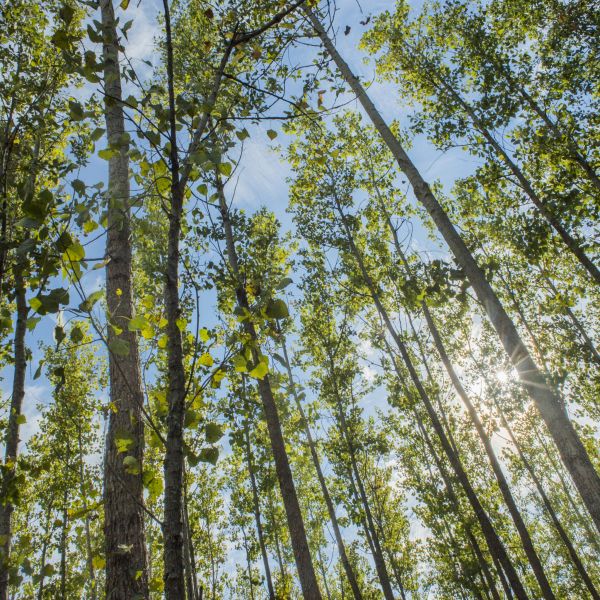
The Lower Mississippi Valley stretches across the former floodplains of the Mississippi River, from Cairo in southern Illinois to the river mouth in Louisiana. Historically, the Valley supported one of the world's largest contiguous tracts of floodplain forest; and it remains a vital wildlife corridor with 60% of North America's bird species migrating along the river. Over the last century, however, agriculture has encroached further and further into the forest nowadays just a fraction remains.

To learn more about the Sustainable Development Goals verified by the standard for this project, please check the project's registry link above.
The project works with over 500 landowners to plant trees on areas that have been in continuous agricultural use for decades. Ten species of fast-growing cottonwoods and native hardwoods are interplanted, including oak: the cottonwoods protect the hardwoods from direct sun, which speeds the growth of the hardwoods and can be used for sustainable biomass, providing another source of income to the landowners. To date, 42 million trees have been planted.
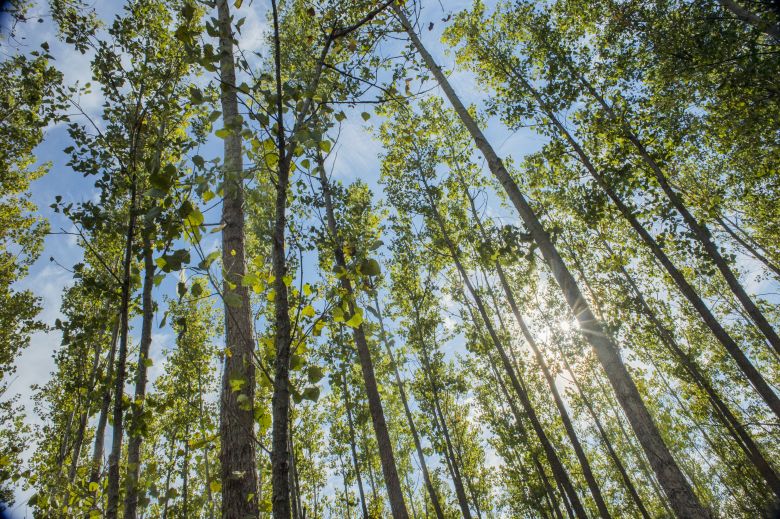
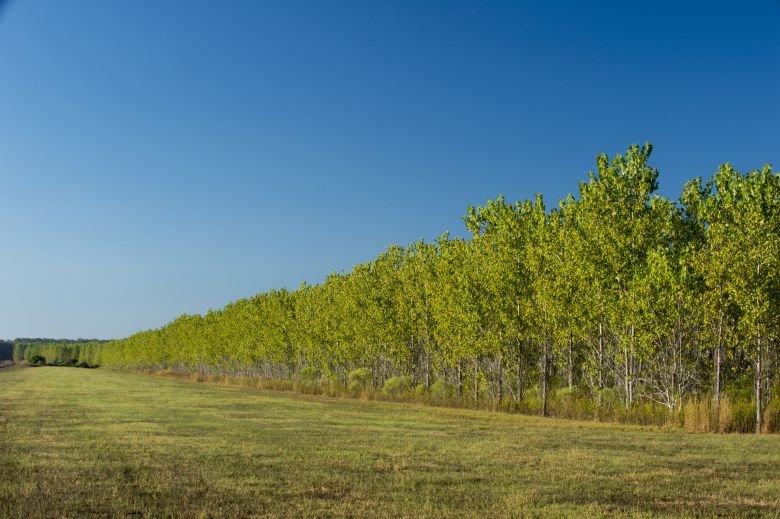
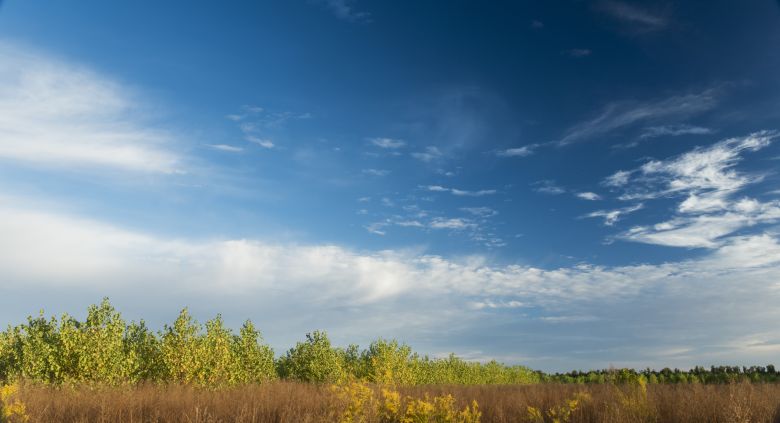
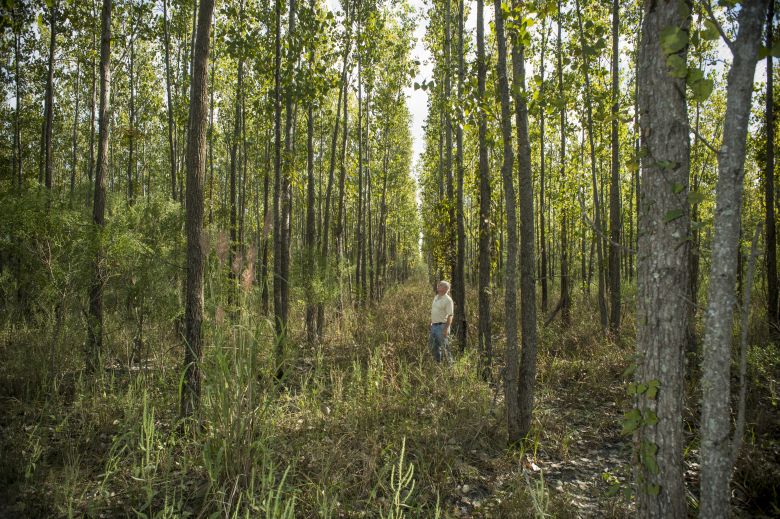
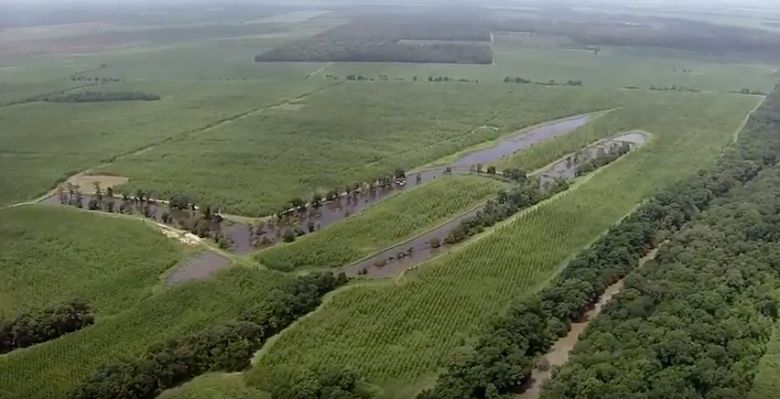
Working across an entire landscape, the project sequesters large amounts of carbon and generates further environmental benefits. Water quality is enhanced by the tree roots: they reduce soil erosion and sediment and absorb farm chemicals from groundwater and surface runoff, preventing contamination of streams. In fact, for every 1 acre of farmland that is reforested, 15.5 lbs/year of Nitrogen and Phosphorus will be kept out of the Mississippi River. Reforested land also provides protected habitat for local native wildlife such as waterfowl (60% of all US bird species migrate along the Mississippi). The project further enhances species biodiversity by improving ecosystem interconnectivity through unifying previously fragmented forested areas an effect that will enhance with time as the hardwood forests mature.