Reconnecting critical biodiversity lifelines across the continent
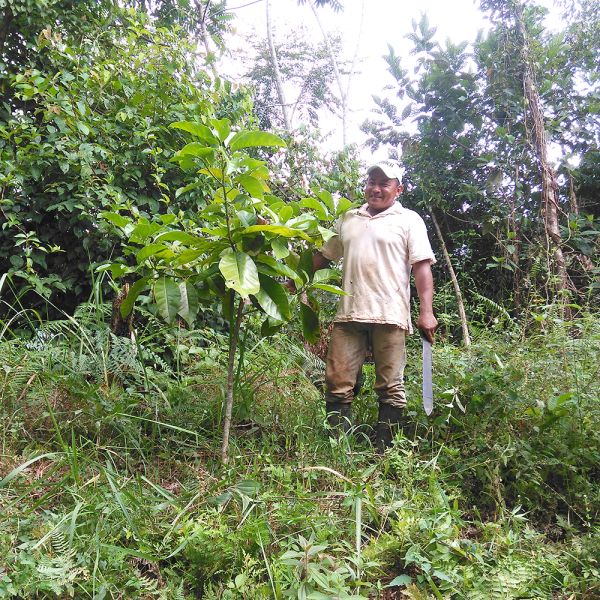
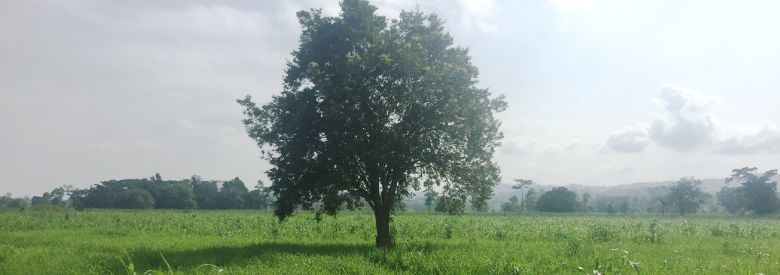
The region has historically been affected by paramilitarism and high levels of poverty, which has left people with precarious livelihoods, often forced to clear land to meet their basic needs. Extensive cattle grazing across the Magdalena Medio region has turned once rich ecosystems into degraded pasture.

To learn more about the Sustainable Development Goals verified by the standard for this project, please check the project's registry link above.
The project aims to reconnect remaining patches of forest and restore degraded land. Across 2 main sites, Cimitarra and Tierralta around 2,200 ha of land is restored using an agroforestry system with areas replanted with native species. Agroforestry, a system that mixes trees and shrubs among crops, helps to increase biodiversity and productivity by boosting soil nutrients, preventing erosion and creating resilient symbiotic ecosystems. The project empowers and trains locals to establish sustainable timber plantations and planting cacao crops. The project supports the Jaguar Corridors initiative with aims to create a continuous north-to-south habitat corridor throughout the species range in central and south America, enabling them to roam and breed.
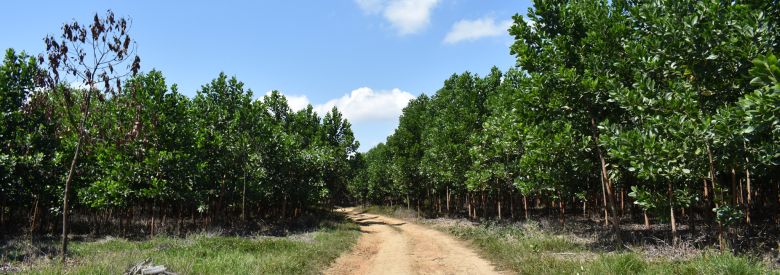
The project simultaneously addresses the results and drivers of climate change, namely capturing CO2 through carbon sequestration and addressing the socio-economic drivers by creating an economically profitable product - cacao - without harming the environment. Working closely with the local communities the project generates a lasting positive social impact thanks to education; increasing citizen participation and environmental awareness; creating stable jobs and income streams; improving health services and access to annual medical checks; and supporting families to make home improvements. The project activities benefit the exceptional biodiversity in the area, notably through restoring, reconnecting and protecting the previously fragmented habitat of five critically endangered species. Additionally, as a top of the food chain, some experts indicate that protecting keystone species - in this case, jaguars - results in cascading positive effects for the wider ecosystem.