


Transforming fragile savannah lands into biodiverse forests to combat climate change
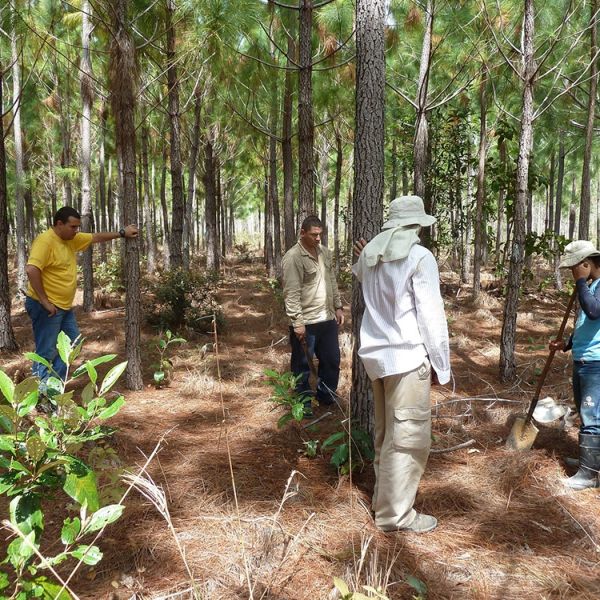
Situated nearby the Colombia–Venezuela border, the Vichada Climate Reforestation project is in an area that was previously a savannah and lacked investment due to its marginal, hard-to-reach location.
To learn more about the Sustainable Development Goals verified by the standard for this project, please check the project's registry link above.
The goal of the Vichada Climate Reforestation Project is to restore fragile and degraded areas through the establishment of high-quality hardwood forests that will generate economic value and contribute to carbon sequestration.
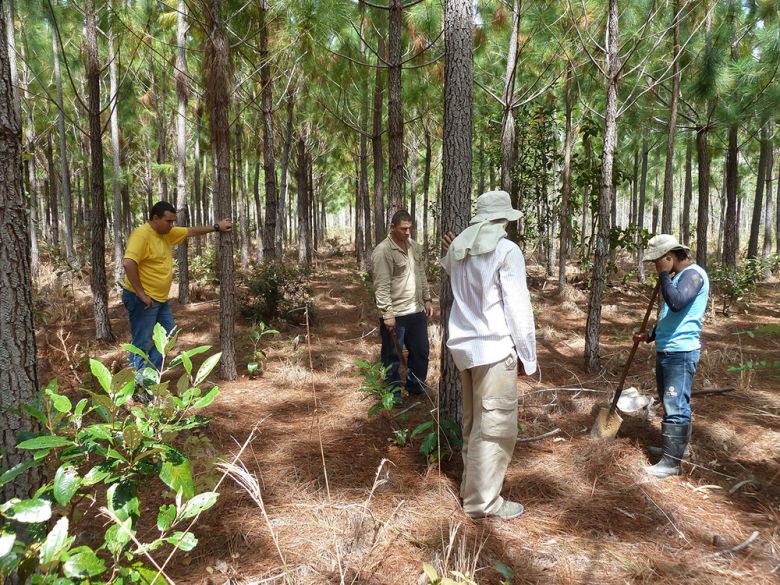

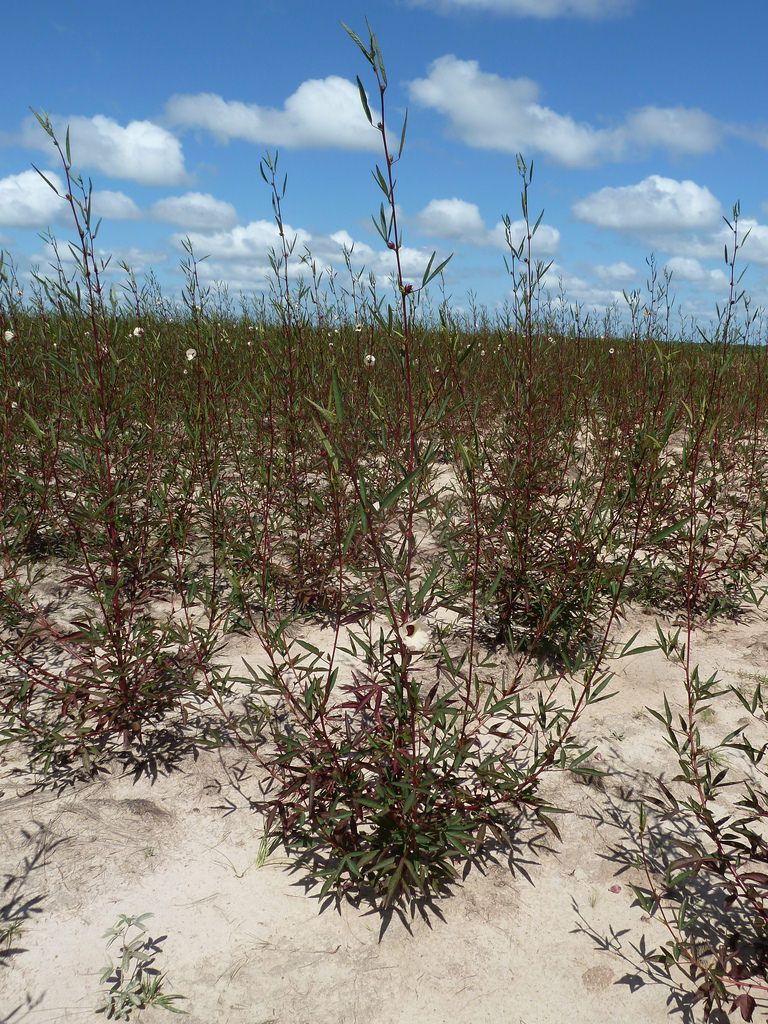
The Vichada Climate Reforestation Project generates significant environmental and socio-economic benefits. By combining afforestation and reforestation, the project helps conserve forests, restore ecosystems, and create ecological corridors that improve biodiversity. To date, over 19,200 hectares have been planted, with species such as Pinus caribaea, Acacia mangium, and Eucalyptus pellita, promoting carbon sequestration and contributing to global climate goals. The project also protects natural resources by reducing soil erosion, which prevents flooding and enhances water quality. On the social front, the project has created hundreds of secure, well-regulated jobs, contributing to poverty alleviation in the region. It provides workers with legal protections, training, and leadership development opportunities. In addition, the project runs educational outreach programs in local schools, focusing on climate change, sustainability, and environmental stewardship. Equal opportunities are promoted for both men and women in employment, training, and decision-making. Reinvesting income from carbon finance into these initiatives ensures the project’s long-term sustainability while benefiting both the environment and local communities.
